Technology continues to reshape the way businesses operate, and software developers remain at the center of this digital transformation. Among the many career paths in tech, full-stack development stands out as one of the most versatile, rewarding, and in-demand professions.
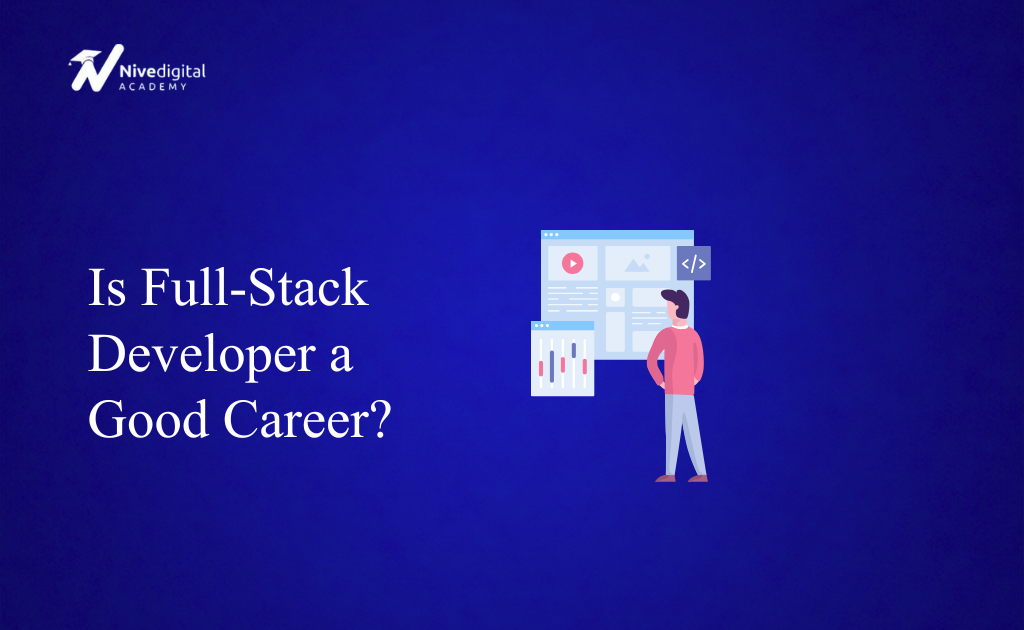
But is becoming a full-stack developer still a good career choice in 2026?
The answer is yes. As companies continue to build websites, web applications, SaaS platforms, mobile-friendly solutions, and AI-powered products, the demand for developers who can work on both the frontend and backend remains strong. Full-stack developers are highly valued because they can manage entire web development projects, collaborate across teams, and solve complex technical challenges.
Whether you’re a student exploring career options, a professional looking to switch into tech, or a business owner wanting to understand the value of full-stack development, this guide explains why it’s one of the best careers to pursue in 2026.
What Is a Full-Stack Developer?
A full-stack developer is a software developer who can build both the frontend and backend of a website or web application.
The frontend is everything users see and interact with, while the backend handles the server, database, authentication, and business logic that power the application behind the scenes.
A full-stack developer typically works with technologies such as:
- HTML
- CSS
- JavaScript
- React
- Node.js
- Express.js
- Python or PHP
- SQL and NoSQL databases
- Git and GitHub
- APIs
- Cloud platforms
Because they understand both sides of web development, full-stack developers can build complete web applications from start to finish.
Why Full-Stack Development Is a Great Career in 2026
The demand for skilled developers continues to grow as businesses invest in digital products, automation, eCommerce, fintech, healthcare technology, education platforms, and AI-powered solutions.
Here are some of the biggest reasons why full-stack development is an excellent career choice.
1. High Demand Across Industries
Almost every industry now relies on software.
Companies in finance, healthcare, education, retail, logistics, entertainment, and government all need developers to build and maintain digital platforms.
Because full-stack developers can handle multiple aspects of development, they are attractive hires for businesses looking to build efficient teams.
2. Excellent Salary Potential
Full-stack developers are among the highest-paid professionals in the technology industry.
Since they possess both frontend and backend skills, employers often offer competitive salaries compared to developers who specialize in only one area.
Experienced developers can also increase their income through consulting, freelancing, or building their own software products.
3. More Career Opportunities
Learning full-stack development opens the door to numerous career paths.
Popular roles include:
- Full-Stack Developer
- Software Engineer
- Web Developer
- Backend Developer
- Frontend Developer
- JavaScript Developer
- React Developer
- Node.js Developer
- Technical Consultant
- Freelance Developer
The versatility of full-stack skills gives you flexibility throughout your career.
4. Freelancing and Remote Work
One of the biggest advantages of becoming a full-stack developer is the ability to work remotely.
Many companies hire developers from around the world, making it possible to work for international clients without relocating.
Freelancing is also a popular option, allowing developers to build websites, applications, and software solutions for businesses while setting their own schedules.
5. Ability to Build Complete Products
Unlike developers who focus on only one area, full-stack developers can create an entire application independently.
This includes:
- Designing user interfaces
- Developing backend functionality
- Managing databases
- Integrating APIs
- Deploying applications
- Maintaining software
This ability is especially valuable for startups, entrepreneurs, and small businesses.
6. Strong Job Security
Technology continues to evolve, but the need for skilled developers remains constant.
As businesses digitize their operations, demand for professionals who can build and maintain software is expected to remain strong for years to come.
Developers who continuously update their skills are well-positioned for long-term career stability.
7. Continuous Learning Keeps the Career Exciting
Technology changes rapidly, meaning full-stack developers constantly learn new tools and frameworks.
While this requires dedication, it also keeps the career interesting and provides opportunities to specialize in emerging technologies such as AI integration, cloud computing, and modern web frameworks.
If you enjoy solving problems and learning new skills, full-stack development offers endless opportunities for growth.
Skills You Need to Become a Full-Stack Developer
To succeed as a full-stack developer, you’ll need to build expertise in several areas.
Frontend Skills
- HTML5
- CSS3
- JavaScript
- React
- Responsive Design
- Accessibility
Backend Skills
- Node.js
- Express.js
- Python, PHP, or another backend language
- REST APIs
- Authentication
Database Skills
- MySQL
- PostgreSQL
- MongoDB
Development Tools
- Git
- GitHub
- Visual Studio Code
- Postman
- Docker (basic knowledge)
Additional Skills
- Problem-solving
- Debugging
- Communication
- Team collaboration
- AI-assisted coding tools
Challenges of Becoming a Full-Stack Developer
Like any career, full-stack development comes with challenges.
Some of the most common include:
- Learning many technologies
- Keeping up with industry changes
- Solving complex technical problems
- Writing clean and maintainable code
- Balancing frontend and backend knowledge
The good news is that these challenges become easier with consistent practice and real-world projects.
How Long Does It Take to Become a Full-Stack Developer?
The time required depends on your learning schedule and dedication.
A general timeline is:
- Frontend fundamentals: 2–3 months
- Backend development: 2–3 months
- Database and APIs: 1–2 months
- Building projects: 2–4 months
- Job-ready skills: Approximately 8–12 months
The more time you spend building real applications, the faster you’ll gain confidence.
Is Full-Stack Development Better Than Frontend or Backend Development?
There isn’t a single “best” path—it depends on your interests and career goals.
| Career Path | Best For |
|---|---|
| Frontend Development | People who enjoy design, user interfaces, and creating engaging user experiences. |
| Backend Development | Those who enjoy databases, server logic, APIs, and system architecture. |
| Full-Stack Development | Individuals who want versatility and the ability to build complete web applications. |
Many developers begin with frontend development before expanding into backend technologies to become full-stack developers.
Learn Full-Stack Development with Nivedigital Tech School
Breaking into software development is much easier when you learn through structured, practical training.
At Nivedigital Tech School, our Full-Stack Development program is designed to help beginners become job-ready developers through hands-on projects and real-world coding experience. Instead of spending months learning only theory, you’ll build responsive websites, develop backend applications, work with databases, integrate APIs, and deploy complete web applications.
Our curriculum covers modern technologies such as HTML, CSS, JavaScript, React, Node.js, Express.js, databases, Git, GitHub, and AI-powered development tools that improve productivity without replacing core programming skills.
You’ll also receive guidance from experienced instructors, collaborate on practical projects, and build a professional portfolio that showcases your abilities to employers and clients.
Whether your goal is to secure a software development job, become a freelancer, or launch your own tech startup, Nivedigital Tech School provides the practical skills and mentorship you need to succeed in today’s technology industry.
Frequently Asked Questions (FAQs)
Is full-stack development a good career in 2026?
Yes. Full-stack development remains one of the most in-demand careers due to the increasing need for websites, web applications, SaaS platforms, and AI-powered software solutions.
Is full-stack development difficult to learn?
It can be challenging because it covers both frontend and backend development. However, with structured learning, consistent practice, and project-based experience, beginners can become proficient over time.
Do I need a computer science degree?
No. Many successful full-stack developers are self-taught or trained through coding bootcamps and tech schools. Employers often prioritize practical skills and a strong portfolio over formal qualifications.
How long does it take to become job-ready?
Most learners can become job-ready within 8 to 12 months of consistent study and hands-on practice, depending on their learning pace.
Is AI replacing full-stack developers?
No. AI assists developers by speeding up coding, debugging, and documentation, but human developers are still needed for system design, architecture, problem-solving, and delivering secure, scalable applications.
Can I freelance as a full-stack developer?
Absolutely. Many full-stack developers work as freelancers, building websites, web applications, eCommerce platforms, and custom software for clients around the world.
Conclusion
Full-stack development continues to be one of the most rewarding and future-proof careers in 2026. It offers excellent job opportunities, competitive salaries, remote work flexibility, and the ability to build complete digital products from the ground up.
While the learning journey requires commitment and continuous improvement, the combination of frontend and backend skills makes you a valuable asset to employers, startups, and clients alike. By mastering modern technologies, building real-world projects, and staying current with industry trends, you can position yourself for long-term success in the fast-growing tech industry.
If you’re ready to start your journey, Nivedigital Tech School can help you gain the practical knowledge, hands-on experience, and confidence needed to become a successful full-stack developer and thrive in the modern software development landscape.