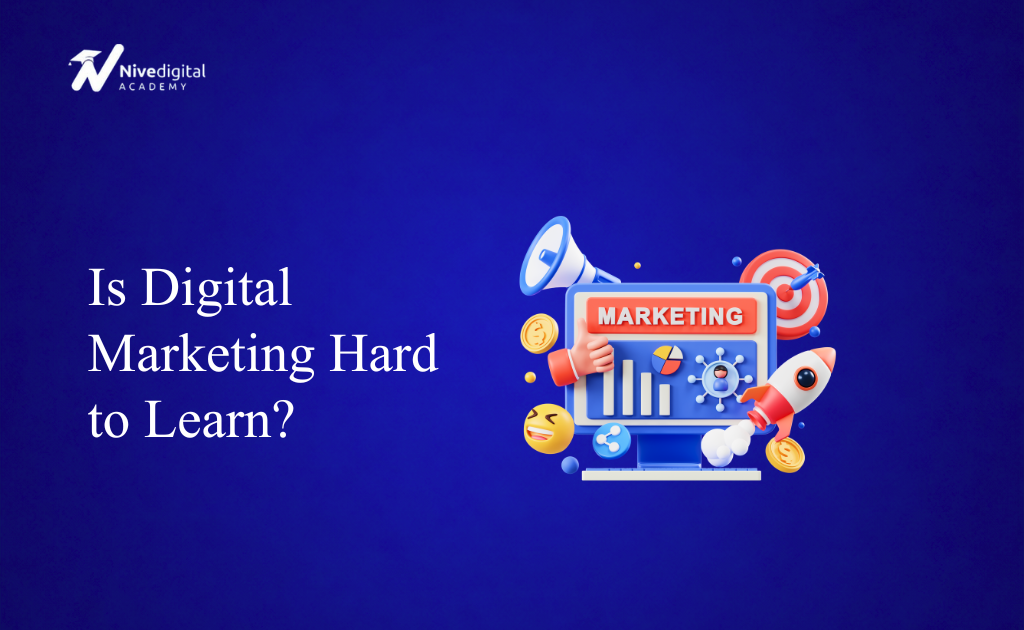
If you’re thinking about starting a career in digital marketing, one of the first questions that probably comes to mind is, “Is digital marketing hard to learn?”
NiveDigital Academy is a leading digital marketing training institute in Nigeria. Learn practical digital marketing skills, master SEO, social media marketing, Google Ads, content marketing, and more — and build the skills you need to grow a business, get clients, or start a career in digital marketing.
The short answer is no. Digital marketing isn’t difficult to learn, but like any valuable skill, it requires time, practice, and consistency. You don’t need a computer science degree, years of experience, or advanced technical knowledge to become a successful digital marketer. What you do need is a willingness to learn, experiment, and apply what you study to real-world projects.
In 2026, digital marketing has become one of the most in-demand skills worldwide. Businesses of every size—from startups and local shops to multinational companies—need professionals who can help them attract customers online. As AI continues to reshape the industry, learning digital marketing has become even more exciting because modern tools now make many tasks faster and more efficient.
In this guide, you’ll learn whether digital marketing is difficult to learn, what skills are required, how long it takes to become proficient, and how beginners can start their journey with confidence.
What Is Digital Marketing?
Digital marketing is the promotion of products, services, or brands using online channels such as search engines, social media, websites, email, and paid advertising.
Instead of relying solely on traditional marketing methods like newspapers, radio, or television, digital marketing helps businesses reach customers where they spend most of their time—online.
Some of the most popular areas of digital marketing include:
- Search Engine Optimization (SEO)
- Google Ads (PPC)
- Social Media Marketing
- Content Marketing
- Email Marketing
- Affiliate Marketing
- Influencer Marketing
- Web Analytics
- Marketing Automation
- AI-Powered Marketing
Each specialization has its own learning curve, but they all build on the same core marketing principles.
Is Digital Marketing Hard to Learn?
For most people, digital marketing is easier to learn than they expect.
The challenge isn’t understanding the concepts—it’s applying them consistently and keeping up with industry changes.
Many beginners assume digital marketers spend all day writing code or working with complicated software. In reality, most digital marketing tasks involve understanding customer behavior, creating valuable content, analyzing results, and improving campaigns over time.
If you can use a computer, browse the internet, communicate effectively, and enjoy solving problems, you already have a solid foundation for learning digital marketing.
Why Digital Marketing Is Easier Than Ever in 2026
Learning digital marketing has become more accessible thanks to advances in technology and AI.

Modern AI tools can help you:
- Generate content ideas
- Research keywords
- Create social media posts
- Analyze marketing data
- Improve ad copy
- Build email campaigns
- Optimize websites
- Automate repetitive tasks
Rather than replacing marketers, AI acts as a productivity assistant, allowing beginners to learn faster and focus on strategy and creativity.
What Makes Digital Marketing Challenging?
Although digital marketing is beginner-friendly, there are a few challenges you should be aware of.
1. There Are Many Specializations
Digital marketing is a broad field. New learners often feel overwhelmed because there are so many areas to explore.
Fortunately, you don’t need to master everything immediately. Start with one or two core skills, then expand your knowledge over time.
2. Search Engines and Platforms Change
Google, Meta, TikTok, LinkedIn, and other platforms regularly update their algorithms and features.
Successful marketers stay informed and adapt their strategies rather than relying on outdated techniques.
3. Practical Experience Matters
Watching videos and reading articles is helpful, but real learning happens when you apply your knowledge.
Running campaigns, optimizing websites, creating content, and analyzing results will accelerate your growth far more than theory alone.
4. Results Take Time
Many beginners expect instant success.
SEO can take months to show results, while building a successful social media presence or email list also requires patience.
Consistency is one of the most important qualities of a successful digital marketer.
Skills You Need to Learn Digital Marketing
You don’t need to be a technical expert to succeed.
Some of the most valuable skills include:
- Communication
- Creativity
- Problem-solving
- Basic computer skills
- Analytical thinking
- Time management
- Research skills
- Adaptability
- Curiosity
- Willingness to learn
These soft skills are often just as important as technical marketing knowledge.
How Long Does It Take to Learn Digital Marketing?
The timeline depends on your goals and the amount of time you dedicate to learning.
Here’s a general guide:
- Basic understanding: 1–2 months
- Job-ready skills: 3–6 months
- Advanced proficiency: 6–12 months
- Expert level: Ongoing learning and practical experience
If you practice consistently and work on real projects, you can develop employable skills much faster than by studying theory alone.
Best Ways to Learn Digital Marketing in 2026
There are many ways to learn digital marketing, but some methods are more effective than others.
Take a Structured Course
A comprehensive course provides a clear learning path and helps you avoid the confusion of jumping between random online tutorials.
Build Real Projects
Create your own website, start a blog, manage social media pages, or help a small business improve its online presence.
Practical experience reinforces what you learn.
Learn AI Tools
Modern digital marketers use AI to improve productivity and campaign performance.
Understanding how to use AI responsibly is becoming an essential skill.
Stay Updated
Follow industry blogs, attend webinars, and keep learning as digital marketing continues to evolve.
Career Opportunities in Digital Marketing
One reason digital marketing is so popular is the wide range of career opportunities available.
Common roles include:
- SEO Specialist
- Digital Marketing Executive
- Social Media Manager
- Content Marketer
- Google Ads Specialist
- Email Marketing Specialist
- Marketing Analyst
- Marketing Automation Specialist
- Affiliate Marketer
- Digital Marketing Consultant
- Freelance Digital Marketer
Many professionals also start their own agencies or build online businesses using the skills they acquire.
Learn Digital Marketing the Practical Way with Nivedigital Academy
If you’re serious about learning digital marketing, choosing the right training can make a huge difference.
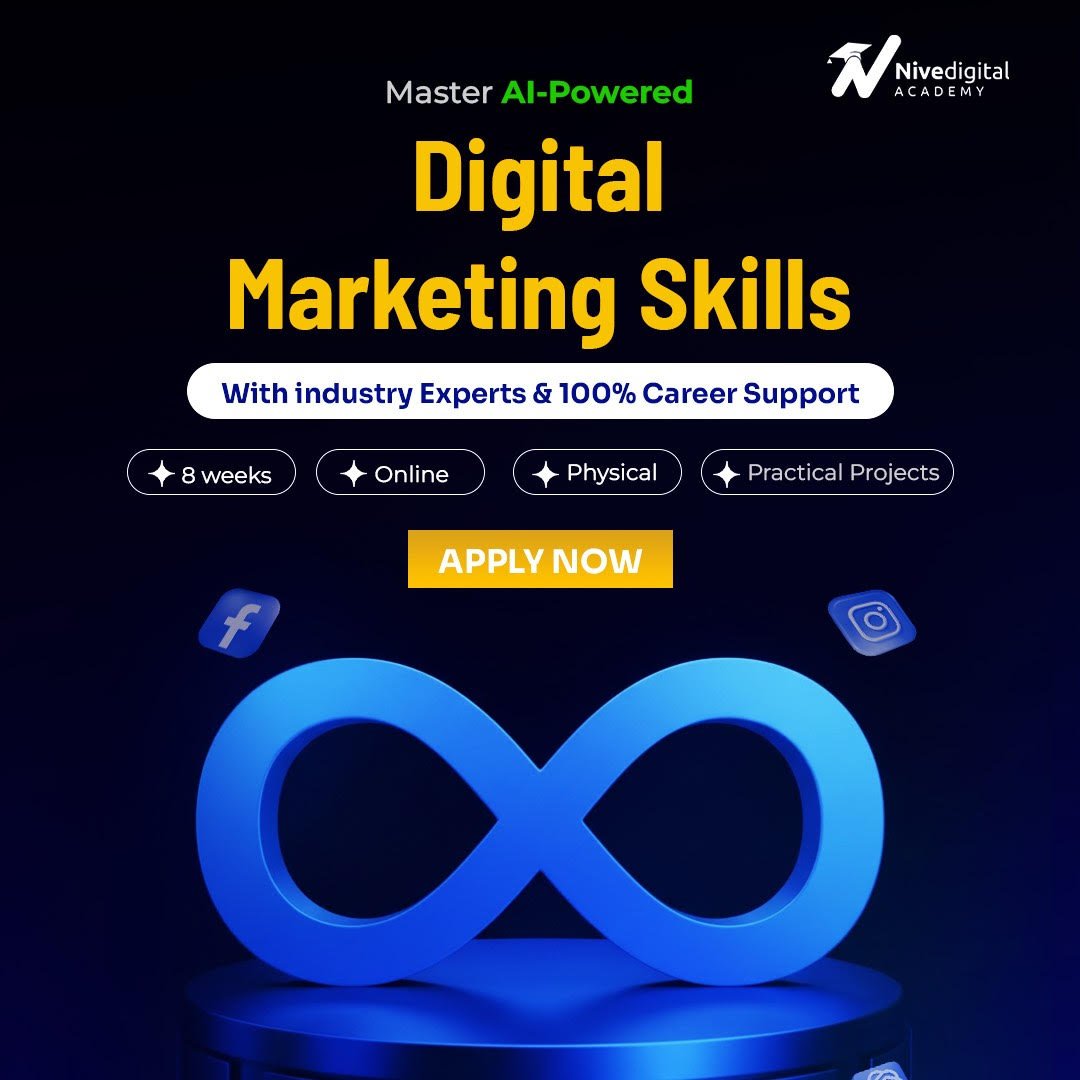
At Nivedigital Academy, we believe the best way to learn is by doing. That’s why our Digital Marketing Course focuses on practical, project-based learning rather than theory alone. You’ll gain hands-on experience with SEO, Google Ads, social media marketing, email marketing, AI tools, content marketing, website creation, analytics, and marketing automation.
Our programs are designed for beginners, business owners, freelancers, students, and professionals looking to build real-world skills that employers and clients value. Throughout the course, you’ll work on live projects, learn industry best practices, and understand how to use modern AI tools to improve marketing performance.
By the end of your training, you’ll have the confidence and practical experience needed to launch a career, grow a business, or offer digital marketing services to clients.
Frequently Asked Questions (FAQs)
Is digital marketing difficult for beginners?
No. Most beginners can learn digital marketing successfully with consistent practice and the right training. The key is to focus on one area at a time and apply what you learn through real projects.
Do I need coding skills to learn digital marketing?
No. While basic knowledge of HTML can be helpful, most digital marketing roles do not require programming skills.
Can I learn digital marketing without a degree?
Yes. Many successful digital marketers are self-taught or have completed professional training courses instead of traditional university degrees. Employers often value practical skills and experience more than academic qualifications.
How long does it take to become job-ready?
With consistent study and practical experience, many learners become job-ready within three to six months, depending on the depth of the course and the time they invest.
Is AI making digital marketing easier to learn?
Yes. AI tools can assist with content creation, research, campaign optimization, and data analysis, allowing beginners to learn faster and work more efficiently. However, understanding marketing strategy and customer behavior remains essential.
Is digital marketing a good career in 2026?
Absolutely. As more businesses invest in their online presence, demand for skilled digital marketers continues to grow. The field offers diverse career opportunities, remote work options, freelance potential, and strong long-term prospects.
Conclusion
Digital marketing is not hard to learn—it simply requires commitment, curiosity, and consistent practice. While the industry is constantly evolving, modern tools, structured training, and AI-powered technologies have made it easier than ever for beginners to develop valuable marketing skills.
Whether your goal is to start a new career, grow your business, earn freelance income, or build an online brand, digital marketing offers countless opportunities. By learning the fundamentals, gaining practical experience, and staying updated with industry trends, you’ll be well-prepared to succeed in one of the fastest-growing professions in the digital economy.
The journey may take time, but the rewards—career growth, business success, and lifelong learning—make digital marketing one of the best skills you can invest in throughout 2026 and beyond.