Digital marketing has become one of the most in demand skills in today’s economy. Businesses of all sizes rely on digital channels to reach customers, increase sales, and build their brands online. As a result, more people are asking an important question: What are the prerequisites for learning digital marketing?
NiveDigital Academy is a leading digital marketing training institute in Nigeria. Learn practical digital marketing skills, master SEO, social media marketing, Google Ads, content marketing, and more — and build the skills you need to grow a business, get clients, or start a career in digital marketing.
The good news is that digital marketing is one of the few career paths that doesn’t require a specific degree or years of experience. Whether you’re a student, graduate, entrepreneur, business owner, or someone looking for a career change, you can learn digital marketing and build a successful career with the right approach.
In this guide, we’ll explore everything you need before starting your digital marketing journey, the skills that will help you succeed, and how you can prepare yourself for a rewarding career.
Do You Need Any Qualifications to Learn Digital Marketing?
The simple answer is no.
Unlike professions such as medicine, law, or engineering, digital marketing does not require a university degree or professional license before you can start learning.
Many successful digital marketers began with little or no experience. Some were fresh graduates, while others transitioned from careers in banking, teaching, customer service, sales, or entrepreneurship.
What matters most is your willingness to learn, practice consistently, and apply your knowledge to real projects.
1. A Willingness to Learn
The most important prerequisite isn’t a certificate. It’s your mindset.
Digital marketing is constantly evolving. Search engines update their algorithms, advertising platforms introduce new features, and consumer behavior changes over time.
Successful digital marketers are lifelong learners who stay curious and continue improving their skills.
If you’re open to learning new tools, testing ideas, and adapting to change, you’ve already met one of the biggest requirements.
2. Basic Computer Skills
You don’t need to be a programmer or IT expert, but you should be comfortable using a computer.
Basic skills include:
- Browsing the internet
- Using search engines
- Sending emails
- Creating documents
- Managing files and folders
- Installing software
- Using web browsers efficiently
These everyday skills provide a solid foundation for learning digital marketing tools.
3. Internet Access
Since digital marketing happens online, reliable internet access is essential.
You’ll use the internet to:
- Attend online classes
- Watch training videos
- Practice digital marketing techniques
- Research competitors
- Manage campaigns
- Communicate with clients or employers
Even if you’re learning from home, having stable internet will make your experience much smoother.
4. Basic Communication Skills
Digital marketers communicate every day.
You’ll write:
- Blog posts
- Social media captions
- Email campaigns
- Website content
- Advertising copy
You don’t need to be a professional writer, but being able to communicate clearly will help you create effective marketing campaigns.
Good communication also improves teamwork and client relationships.
5. Problem Solving Ability
Digital marketing is about finding solutions.
For example:
- Why isn’t a website ranking on Google?
- Why are Facebook ads not converting?
- Why are visitors leaving a landing page?
- Why has website traffic dropped?
Instead of guessing, digital marketers analyze data and identify ways to improve results.
If you enjoy solving problems, you’ll likely enjoy digital marketing.
6. Patience and Consistency
One of the biggest misconceptions is that digital marketing delivers instant success.
Some strategies, especially Search Engine Optimization (SEO), take time before results become visible.
Learning digital marketing also requires consistent practice.
The more campaigns you manage, the better you’ll become.
Patience is one of the qualities that separates successful marketers from those who quit too early.
7. A Desire to Practice
Watching tutorials isn’t enough.
To become job ready, you’ll need practical experience.
Practice can include:
- Building a simple website
- Creating blog content
- Running sample Google Ads campaigns
- Managing social media pages
- Learning SEO techniques
- Tracking website performance
Hands on experience builds confidence and prepares you for real world projects.
8. No Coding Skills Required
Many beginners worry they need to learn programming first.
Fortunately, that’s not true.
Most digital marketing tasks don’t require coding.
Modern platforms make it easy to:
- Build websites
- Send email campaigns
- Manage advertisements
- Analyze data
- Create landing pages
Learning basic HTML can be helpful later, but it’s not a prerequisite.
9. No Marketing Degree Required
A marketing degree can be beneficial, but it’s not mandatory.
Many employers focus on practical skills rather than academic qualifications.
If you can demonstrate your ability to:
- Improve website traffic
- Generate leads
- Run successful campaigns
- Increase conversions
You’ll often have a competitive advantage regardless of your educational background.
10. A Laptop Is Helpful
While some digital marketing tasks can be done on a smartphone, a laptop or desktop computer provides a much better learning experience.
You’ll find it easier to:
- Build websites
- Manage advertising campaigns
- Analyze reports
- Create presentations
- Use professional marketing tools
If you’re serious about building a career, investing in a reliable laptop is worthwhile.
Skills That Will Help You Learn Faster
Although they aren’t mandatory, these skills can make learning easier.
Curiosity
Digital marketing rewards people who ask questions and enjoy discovering new ideas.
Creativity
Creativity helps when designing campaigns, writing content, and solving marketing challenges.
Analytical Thinking
Understanding numbers and data helps improve marketing performance.
Time Management
Whether you’re studying, working, or running a business, managing your time effectively allows you to learn consistently.
Can Students Learn Digital Marketing?
Absolutely.
Many students begin learning digital marketing before graduation.
By the time they complete their studies, they often have practical skills that make them more attractive to employers.
Some even start freelancing or earning income while still in school.
Can Business Owners Learn Digital Marketing?
Yes.
Business owners who understand digital marketing can:
- Generate more leads
- Reduce advertising costs
- Improve brand awareness
- Increase online sales
- Understand customer behavior
Even if you eventually hire a marketing team, having a solid understanding of digital marketing helps you make better business decisions.
Can Working Professionals Switch to Digital Marketing?
Yes.
Many people successfully transition from careers such as:
- Banking
- Teaching
- Customer service
- Sales
- Human resources
- Administration
- Engineering
- Healthcare
The skills developed in these professions often transfer well into digital marketing.
How Long Does It Take to Learn Digital Marketing?
Your learning speed depends on your schedule and level of commitment.
Generally:
- Basic concepts can be learned in a few weeks.
- Practical skills often take two to four months.
- Many learners become job ready within three to six months with consistent practice.
The key is to learn systematically instead of jumping between random online resources.
Common Myths About Learning Digital Marketing
You Must Be Good at Mathematics
False.
Basic calculations are useful, but advanced mathematics isn’t required.
You Need Thousands of Followers
False.
Digital marketers help businesses grow audiences. You don’t need to be an influencer before learning the skill.
You Must Be a Tech Expert
False.
Most digital marketing tools are beginner friendly and designed for non technical users.
It’s Too Late to Start
False.
People of different ages enter the industry every year. Whether you’re just finishing school or looking for a new career path, digital marketing remains accessible.
Why Practical Training Is More Important Than Theory
Many beginners spend months watching free videos without applying what they learn.
Practical training allows you to:
- Build real campaigns
- Use industry tools
- Solve actual marketing problems
- Receive expert feedback
- Develop a professional portfolio
This practical experience is often what employers and clients value the most.
Start Your Digital Marketing Journey at Nivedigital Academy
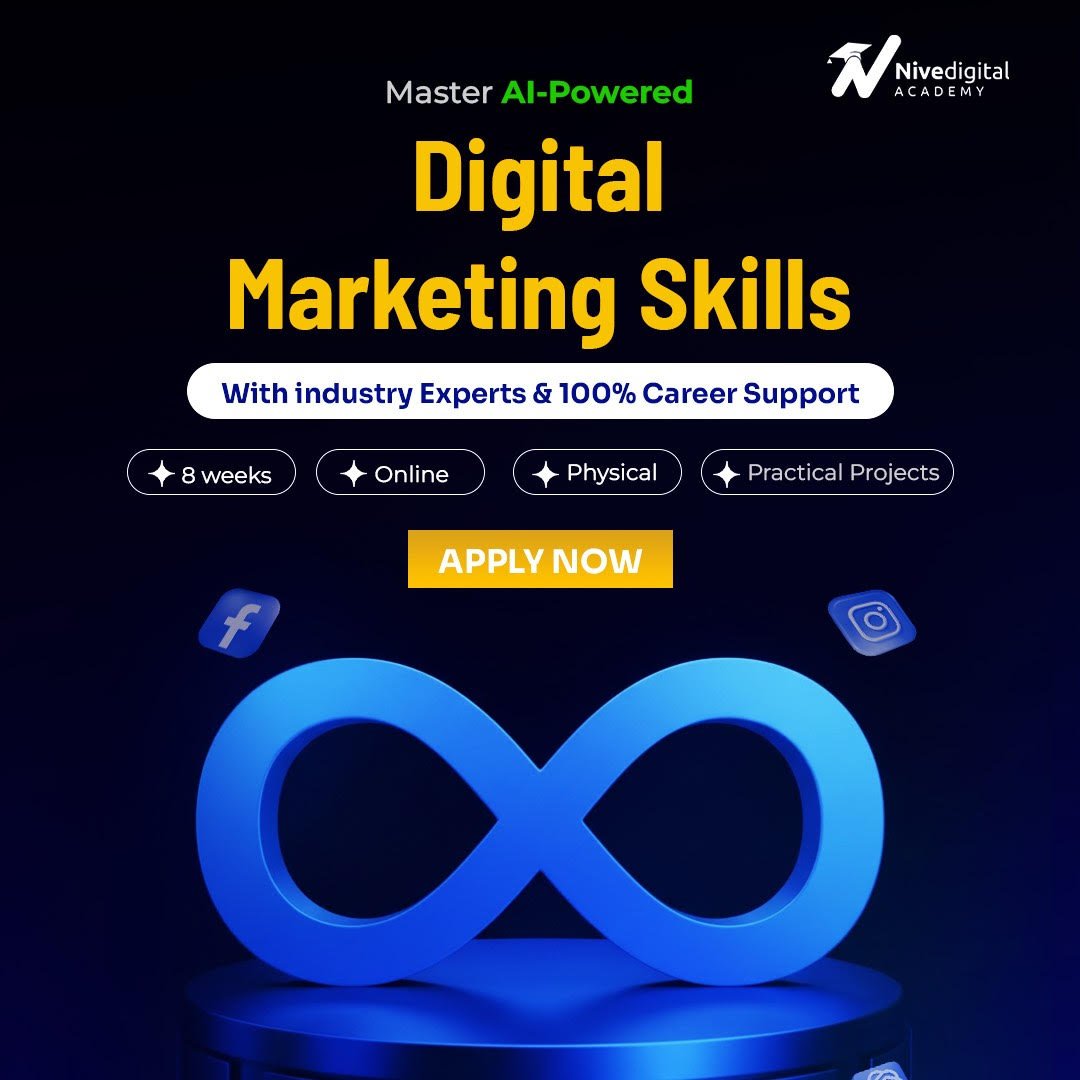
If you’re looking for a structured and practical way to learn digital marketing, Nivedigital Academy is designed to help beginners succeed.
Our AI integrated Digital Marketing Training combines expert instruction with hands on projects, ensuring you gain skills that are relevant in today’s job market.
During the program, you’ll learn:
- Search Engine Optimization (SEO)
- Google Ads
- Social Media Marketing
- Email Marketing
- Content Marketing
- WordPress Website Development
- Google Analytics
- AI tools for digital marketers
- Lead generation and client acquisition
Whether you’re a student preparing for future opportunities, a professional exploring a new career, or a business owner looking to grow online, our training provides practical experience that you can immediately apply.
We’ve trained aspiring marketers from different backgrounds, helping them develop the confidence and skills needed to compete in today’s digital economy.
Visit www.nivedigitalacademy.com to learn more about our courses and begin your digital marketing journey.
Frequently Asked Questions
Do I need a degree to learn digital marketing?
No. A university degree is not required. Practical skills, hands on experience, and a strong portfolio are often more valuable.
Do I need coding knowledge?
No. Most digital marketing tasks don’t require programming. Basic HTML can be useful, but it’s not a prerequisite.
Can I learn digital marketing without experience?
Yes. Many successful digital marketers started with no previous experience. With structured training and regular practice, you can build the skills needed to succeed.
Is digital marketing difficult to learn?
Digital marketing is beginner friendly when you follow a structured learning path and practice consistently.
What device do I need?
A laptop or desktop computer is recommended because it makes learning and using professional marketing tools much easier.
How long does it take to become job ready?
Many learners become job ready within three to six months, depending on how consistently they study and practice.
Is digital marketing a good career choice?
Yes. As more businesses embrace online marketing, the demand for skilled digital marketers continues to grow across different industries, creating opportunities both locally and internationally.
Conclusion
If you’ve been wondering about the prerequisites for learning digital marketing, you’ll be pleased to know that there are very few barriers to entry. You don’t need a marketing degree, coding skills, or years of experience to begin.
What you do need is curiosity, consistency, a willingness to learn, and the commitment to practice what you study. These qualities will help you build the practical skills employers and businesses are looking for.
With the right training and hands on experience, you can confidently start your journey into one of the most exciting and rewarding careers in today’s digital world.