Many people who want to start a career in digital marketing often ask the same question: Can I become a successful digital marketer just by studying, or do I need real-world experience?
NiveDigital Academy is a leading digital marketing training institute in Nigeria. Learn practical digital marketing skills, master SEO, social media marketing, Google Ads, content marketing, and more — and build the skills you need to grow a business, get clients, or start a career in digital marketing.
With thousands of free YouTube videos, online courses, blogs, and certifications available today, it’s easy to believe that spending months studying is enough to land a job or start getting clients. While studying is an essential first step, digital marketing is one of those careers where knowledge alone isn’t enough.
The truth is that employers and clients don’t just want someone who knows the theory—they want someone who can deliver results.
In this guide, we’ll explain whether studying alone is enough, why practical experience matters, and how beginners in Nigeria can gain experience even without having a job.
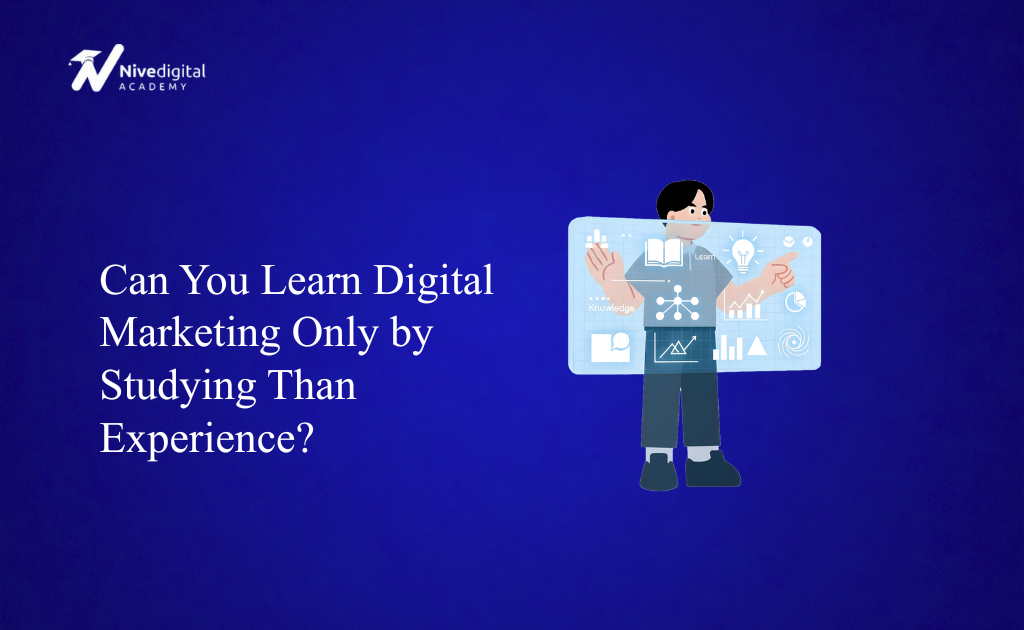
Can You Learn Digital Marketing Only by Studying?
The simple answer is yes and no.
Yes, you can learn the fundamentals of digital marketing through books, videos, online courses, and classroom training. You’ll understand concepts such as SEO, Google Ads, social media marketing, email marketing, content marketing, and analytics.
However, studying alone won’t make you a skilled digital marketer.
Digital marketing is a practical profession. Just like you can’t become a great driver by only reading the highway code, you can’t become a great marketer without actually running campaigns, creating content, analysing results, and solving real business problems.
Why Studying Alone Isn’t Enough
Imagine learning how to swim by watching videos for six months.
You’ll know the techniques, but until you enter the water, you won’t know how to swim.
Digital marketing works the same way.
You need practical experience because every campaign is different. Every website performs differently. Every audience responds differently.
Experience teaches you things that books simply cannot.

For example:
- How to fix a Google Ads campaign that isn’t converting.
- How to improve a website that isn’t ranking on Google.
- How to write content that people actually read.
- How to increase engagement on social media.
- How to reduce advertising costs while increasing sales.
These are skills you develop through practice.
What Can You Learn by Studying?
Studying gives you a strong foundation.
It helps you understand:
- What digital marketing is.
- How search engines work.
- How Google Ads works.
- The basics of Search Engine Optimization (SEO).
- Social media marketing strategies.
- Email marketing principles.
- Customer behaviour.
- Marketing funnels.
- Analytics and reporting.
Without this knowledge, it would be difficult to apply digital marketing effectively.
So, studying is important—but it’s only the beginning.
What Can Only Experience Teach You?
Experience helps you connect theory with reality.
As you work on projects, you’ll learn how to:
- Research profitable keywords.
- Optimise websites for Google.
- Launch advertising campaigns.
- Analyse campaign performance.
- Improve conversion rates.
- Create marketing strategies.
- Solve unexpected problems.
- Communicate with clients.
- Meet deadlines.
- Work with marketing tools.
These are the skills employers and business owners value most.
Why Employers Prefer Experience
When companies hire digital marketers, they usually ask questions like:
- Have you managed Google Ads before?
- Can you show us websites you’ve ranked?
- Have you worked on SEO projects?
- Have you managed social media accounts?
- Can you show your portfolio?
They ask these questions because they want proof that you can apply your knowledge.
A certificate may get you an interview, but practical experience often gets you the job.
But How Do Beginners Get Experience?
This is the question many beginners struggle with.
The good news is that you don’t need to wait until someone hires you.
You can create your own experience.
Start a Blog
One of the best ways to learn SEO and content marketing is by starting your own blog.
Write articles, optimise them for Google, and monitor your traffic.
You’ll learn far more than by simply reading about SEO.
Build a Website
Create a simple WordPress website.
Experiment with:
- SEO
- Landing pages
- Contact forms
- Website speed
- User experience
You’ll become familiar with tools that businesses use every day.
Practise Google Ads
Google provides demo accounts and training resources.
You can also run small campaigns with a modest budget to understand how advertising works.
Manage Your Own Social Media Pages
Create content regularly.
Test different content formats.
Learn what generates engagement.
This gives you practical social media marketing experience.
Help Family or Friends
Offer to help a local business, church, school, or family member improve their online presence.
You’ll gain valuable experience while building your portfolio.
Volunteer
Many non-profit organisations need help with digital marketing.
Volunteering allows you to gain real-world experience while making a positive impact.
Build a Portfolio Instead of Waiting for Experience
A strong portfolio often matters more than years of experience.
Include examples of:
- Websites you’ve built.
- SEO projects.
- Blog articles.
- Google Ads campaigns.
- Social media content.
- Email campaigns.
- Marketing strategies.
- Analytics reports.
When clients see your work, they’re more likely to trust your abilities.
Learn From Your Mistakes
One of the biggest advantages of practical experience is learning from mistakes.
Your first campaign may not perform well.
Your first blog post may never rank.
Your first advert may not generate sales.
That’s perfectly normal.
Each mistake teaches you something new, making you a better marketer over time.
The Best Way to Learn Digital Marketing
The most effective approach combines both theory and practice.
A simple learning process looks like this:
- Learn the concept.
- Watch practical demonstrations.
- Apply it yourself.
- Review the results.
- Improve based on what you’ve learned.
- Repeat the process.
This cycle helps you develop real expertise much faster.
Common Mistakes Beginners Make
Many beginners delay taking action because they believe they need to know everything before getting started.
Some common mistakes include:
- Watching endless YouTube videos without practising.
- Collecting certificates but having no portfolio.
- Being afraid of making mistakes.
- Waiting until they feel “ready.”
- Never working on real projects.
Remember, confidence comes from doing—not just studying.
Can You Get a Digital Marketing Job Without Experience?
Yes, but it depends on how you define “experience.”
Even if you’ve never worked for a company, employers may consider the following as valuable experience:
- Personal projects.
- Freelance work.
- Volunteer work.
- Internship projects.
- Websites you’ve built.
- Successful marketing campaigns you’ve managed.
These practical examples show that you can apply your knowledge.
Why Practical Training Matters
The best digital marketing courses don’t just teach theory.
They provide opportunities to:
- Work on live projects.
- Build websites.
- Run advertising campaigns.
- Create SEO strategies.
- Analyse real marketing data.
- Receive feedback from experienced mentors.
This hands-on approach prepares students for real jobs and freelance opportunities.
Learn Digital Marketing the Right Way at Nivedigital Academy
At Nivedigital Academy, we believe that learning digital marketing goes beyond classroom theory.
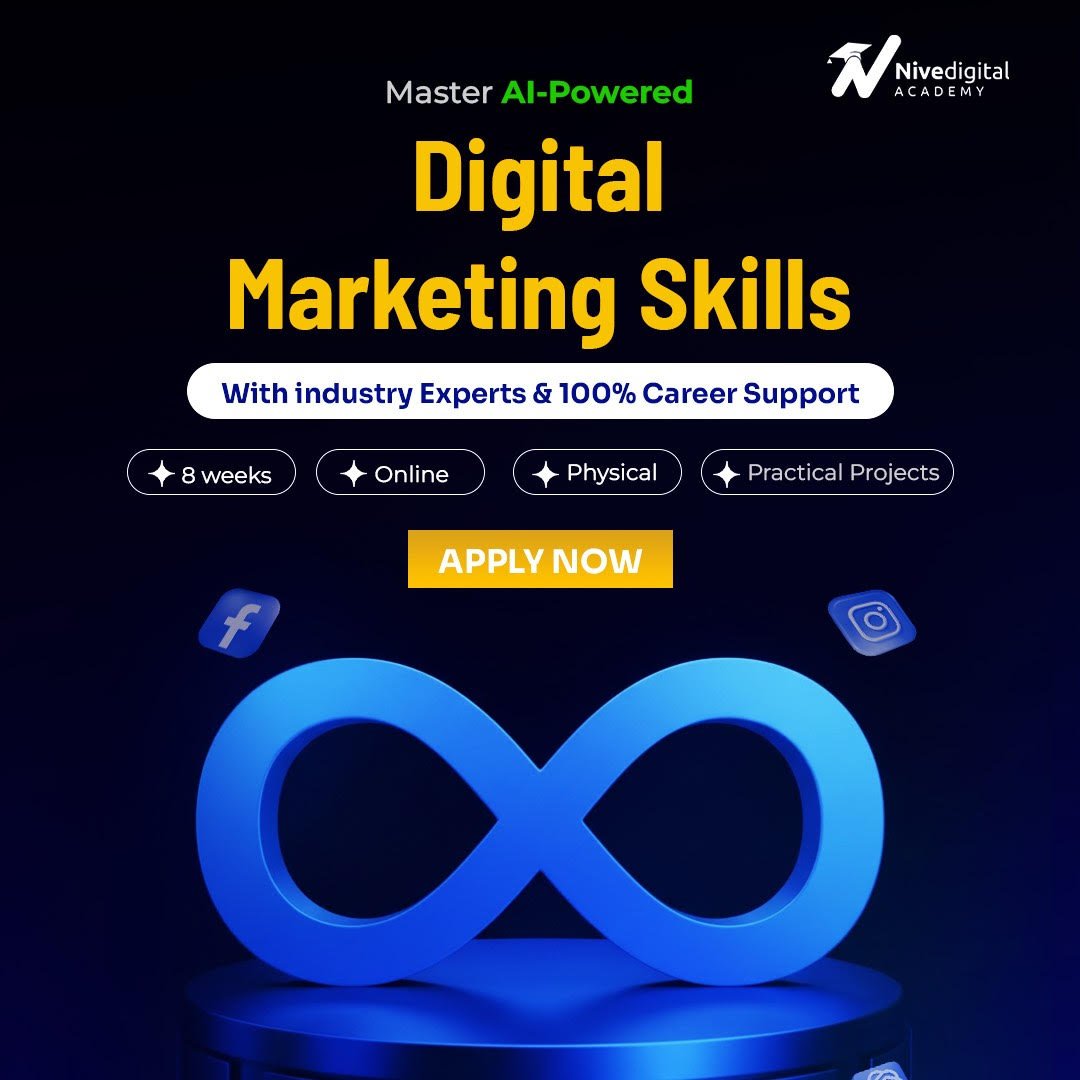
Our AI-powered Digital Marketing Course combines practical training with real-world projects so students can build confidence and job-ready skills.
You’ll gain hands-on experience in:
- Search Engine Optimization (SEO)
- Google Ads
- Meta (Facebook & Instagram) Ads
- Social Media Marketing
- Email Marketing
- Content Marketing
- WordPress Website Design
- AI Tools for Digital Marketing
- Analytics and Performance Tracking
By the time you complete the programme, you’ll have practical experience, a growing portfolio, and the confidence to work with businesses, apply for digital marketing jobs, or start freelancing.
Frequently Asked Questions
Is studying digital marketing enough?
Studying gives you the knowledge you need, but practical experience is essential if you want to become a successful digital marketer.
Can I practise digital marketing without getting a job?
Yes. You can start a blog, build websites, manage your own social media pages, volunteer for organisations, or work on freelance projects to gain experience.
How important is a portfolio?
A portfolio is one of the most valuable assets for a digital marketer. It demonstrates your skills and helps employers and clients see what you can do.
Can beginners get clients without experience?
Yes. Many beginners start with small businesses, volunteer work, or freelance platforms to build their experience and reputation.
How long does it take to become good at digital marketing?
With consistent learning and regular practice, many people develop solid digital marketing skills within three to six months. Becoming an expert, however, requires continuous learning and hands-on experience.
Conclusion
So, can you learn digital marketing only by studying rather than gaining experience?
You can certainly learn the theory through books, videos, and courses, but theory alone won’t make you a successful digital marketer. The real growth happens when you apply what you’ve learned, work on real projects, make mistakes, and improve over time.
The most successful digital marketers never stop learning, but they also never stop practising. If you combine quality training with hands-on experience, you’ll build the confidence, portfolio, and practical skills needed to succeed in today’s competitive digital marketing industry