Social media has become one of the most powerful marketing channels for businesses of all sizes. With billions of people actively using platforms like Facebook, Instagram, TikTok, LinkedIn, X (formerly Twitter), and YouTube, businesses now have unprecedented opportunities to connect with customers, build brand awareness, generate leads, and increase sales.
NiveDigital Academy is a leading digital marketing training institute in Nigeria. Learn practical digital marketing skills, master SEO, social media marketing, Google Ads, content marketing, and more — and build the skills you need to grow a business, get clients, or start a career in digital marketing.
Whether you’re a small business owner, entrepreneur, freelancer, or aspiring digital marketer, understanding Social Media Marketing (SMM) is essential in today’s digital world. It’s no longer enough to simply create a social media account, you need a strategy that helps you reach the right audience with the right content at the right time.
In this comprehensive guide, you’ll learn what Social Media Marketing is, how it works, its benefits and drawbacks, the different types of social media marketing, and why it’s one of the most valuable skills to learn in 2026.
What Is Social Media Marketing (SMM)?
Social Media Marketing (SMM) is the process of using social media platforms to promote a business, product, service, or personal brand. It involves creating and sharing valuable content, engaging with followers, running paid advertisements, and analyzing performance to achieve marketing goals.
The primary goal of social media marketing is to build relationships with your target audience while driving meaningful business results such as:
- Increasing brand awareness
- Driving website traffic
- Generating leads
- Boosting sales
- Building customer loyalty
- Growing an online community
- Improving customer service
Unlike traditional advertising, social media marketing allows businesses to communicate directly with customers. Users can comment, ask questions, share content, leave reviews, and interact with brands in real time.
This two-way communication makes social media one of the most effective digital marketing channels available today.
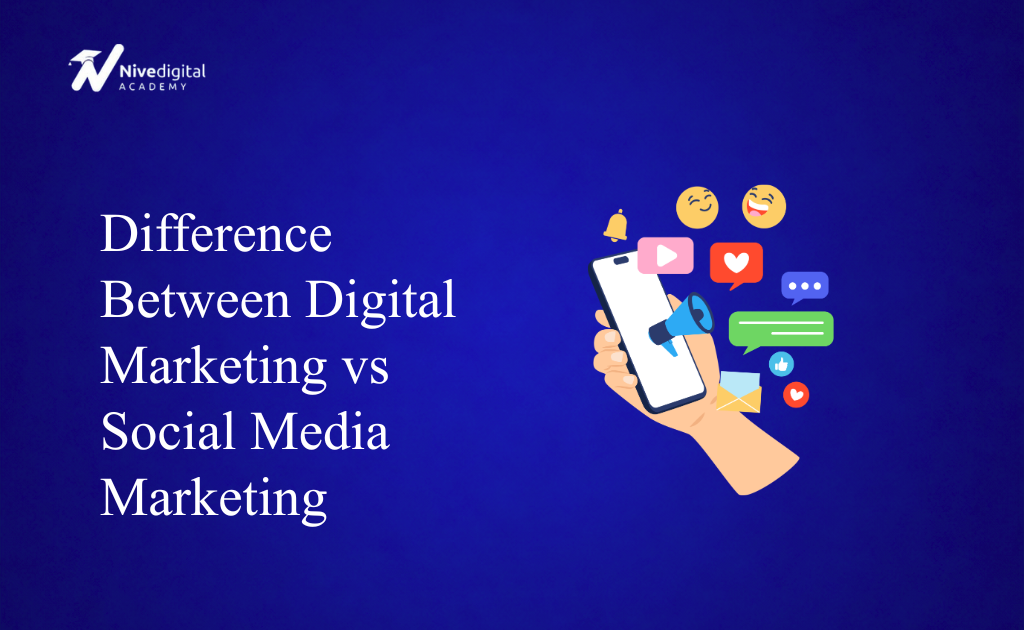
Social Media Marketing vs Digital Marketing
Many people confuse social media marketing with digital marketing.
Digital marketing is the broader field that includes all forms of online marketing, such as:
- Search Engine Optimization (SEO)
- Google Ads (PPC)
- Email Marketing
- Content Marketing
- Affiliate Marketing
- Mobile Marketing
- Social Media Marketing
Social media marketing is simply one component of a complete digital marketing strategy.
For example, someone might discover your business through Instagram, visit your website through Google Search, subscribe to your email list, and eventually purchase after receiving an email campaign. All of these channels work together to create a successful digital marketing strategy.
Why Is Social Media Marketing Important?
Consumers spend several hours each day on social media. This presents businesses with an incredible opportunity to connect with potential customers where they already spend their time.
Here are some of the biggest reasons why social media marketing matters.

Increased Brand Awareness
One of the fastest ways to grow your business is by increasing your visibility.
Every post, video, story, reel, or advertisement introduces your brand to new audiences.
As people repeatedly see your content, they become more familiar with your business, making them more likely to trust and purchase from you.
Generate High-Quality Leads
Social media isn’t just about getting likes and followers.
With the right strategy, you can attract people who are genuinely interested in your products or services.
Businesses often use lead generation campaigns, downloadable resources, webinars, and free consultations to convert followers into potential customers.
Drive More Website Traffic
Social media acts as a bridge between your audience and your website.
Every blog article, landing page, product page, or service page you share creates another opportunity for people to visit your website.
Higher website traffic can lead to more enquiries, sales, and conversions.
Build Customer Relationships
Unlike television or newspaper advertising, social media allows businesses to have conversations with customers.
Responding to comments, answering questions, and engaging with followers helps build trust and long-term relationships.
Customers are more likely to buy from businesses that actively interact with their audience.
Increase Sales
Social media has become a major sales channel.
Businesses use product videos, customer testimonials, influencer collaborations, live streams, and targeted advertising to persuade customers to make purchasing decisions.
Many platforms now even support in-app shopping experiences, making it easier for customers to buy without leaving the platform.
Learn More About Your Audience
Every social media platform provides valuable insights into your audience.
You can discover:
- Age groups
- Gender
- Location
- Interests
- Online behaviour
- Engagement patterns
- Best posting times
These insights help businesses make smarter marketing decisions.
How Social Media Marketing Works
Although social media may appear simple, successful marketing requires careful planning and consistent execution.
Below is the typical process businesses follow.
1. Set Clear Goals
Every successful campaign starts with a goal.
Common goals include:
- Increase brand awareness
- Generate leads
- Increase website traffic
- Improve customer engagement
- Boost online sales
- Grow followers
- Build an email list
Having measurable goals makes it easier to evaluate success.
2. Understand Your Target Audience
Before creating content, you must understand who you’re trying to reach.
Ask questions such as:
- Who are my ideal customers?
- What problems do they face?
- Which platforms do they use?
- What type of content do they enjoy?
- What motivates them to buy?
The better you understand your audience, the more effective your marketing becomes.
3. Choose the Right Platforms
Not every business needs to be active on every social media platform.
For example:
- Fashion brands often thrive on Instagram.
- B2B companies perform well on LinkedIn.
- Entertainment brands excel on TikTok.
- Educational content performs strongly on YouTube.
- Local businesses often benefit from Facebook.
Choosing the right platform helps you focus your efforts where your audience already spends time.
4. Create Valuable Content
Content is the foundation of every successful social media strategy.
Examples include:
- Educational posts
- Videos
- Infographics
- Reels
- Tutorials
- Customer testimonials
- Behind-the-scenes content
- Product demonstrations
- Industry news
- Live sessions
Good content solves problems, answers questions, entertains, or inspires your audience.
5. Publish Consistently
Consistency builds trust.
Businesses that post regularly stay visible and remain top of mind.
A content calendar helps organize posts and maintain a consistent publishing schedule.
6. Engage With Your Audience
Posting content is only half the job.
Successful brands actively:
- Reply to comments
- Respond to messages
- Answer questions
- Thank customers
- Participate in conversations
Engagement helps strengthen customer relationships and improve platform visibility.
7. Run Paid Advertising
Organic reach is valuable, but paid advertising allows businesses to reach even larger audiences.
Social media advertising can help you:
- Reach new customers
- Generate leads
- Increase website traffic
- Promote events
- Sell products
- Retarget previous visitors
Because advertisements can be targeted by age, interests, location, behaviour, and demographics, businesses can spend their budgets more efficiently.
8. Measure Performance
One of the greatest advantages of digital marketing is the ability to measure results.
Businesses regularly monitor metrics such as:
- Reach
- Impressions
- Engagement
- Click-through rate
- Conversions
- Cost per click
- Return on investment
These insights help marketers improve future campaigns.
Types of Social Media Marketing
Social media marketing includes several different approaches depending on your business objectives.
Organic Social Media Marketing
Organic marketing involves publishing free content without paying to promote it.
Examples include:
- Daily posts
- Stories
- Reels
- Educational videos
- Community engagement
- Live sessions
Although organic growth usually takes longer, it builds trust and long-term relationships.
Paid Social Media Advertising
Paid advertising allows businesses to reach highly targeted audiences quickly.
Popular ad formats include:
- Image ads
- Video ads
- Carousel ads
- Lead generation ads
- Collection ads
- Story ads
- Reels ads
Paid campaigns are ideal for generating leads, increasing sales, and promoting special offers.
Influencer Marketing
Influencer marketing involves partnering with content creators who already have loyal audiences.
Businesses collaborate with influencers to:
- Promote products
- Review services
- Create sponsored content
- Increase brand awareness
- Reach niche audiences
Choosing influencers whose audience matches your target market often delivers the best results.
Video Marketing
Video has become one of the most engaging forms of content on social media.
Popular video formats include:
- Short-form videos
- Tutorials
- Product demonstrations
- Customer testimonials
- Live streams
- Educational content
- Behind-the-scenes videos
Platforms such as TikTok, Instagram Reels, Facebook Reels, and YouTube Shorts have accelerated the popularity of short-form video content.
Community Marketing
Community marketing focuses on building loyal audiences rather than simply increasing follower numbers.
Businesses create communities through:
- Facebook Groups
- WhatsApp Communities
- Telegram Groups
- LinkedIn Groups
- Online forums
Strong communities encourage customer loyalty, referrals, and repeat business.
User-Generated Content (UGC)
User-generated content includes photos, videos, reviews, and testimonials created by customers.
Sharing customer content builds credibility because potential buyers often trust real customer experiences more than traditional advertisements.
Encouraging customers to share their experiences can significantly increase brand trust and engagement.
Best Social Media Platforms for Business
Every social media platform serves a different purpose and attracts a unique audience. Choosing the right platform depends on your business goals, target market, and the type of content you create.
Facebook remains one of the largest social media platforms and is suitable for businesses of all sizes.
It is ideal for:
- Local businesses
- E-commerce stores
- Restaurants
- Real estate companies
- Educational institutions
- Healthcare providers
Facebook also offers powerful advertising options that allow businesses to target users based on demographics, interests, location, and online behavior.
Instagram is a highly visual platform that works well for businesses with attractive products or services.
It is particularly effective for:
- Fashion brands
- Beauty businesses
- Food businesses
- Travel companies
- Personal brands
- Influencers
Features such as Reels, Stories, Live videos, and Shopping make Instagram an excellent platform for increasing engagement and sales.
LinkedIn is the leading platform for professionals and B2B marketing.
Businesses use LinkedIn to:
- Generate business leads
- Recruit employees
- Build authority
- Share industry insights
- Connect with decision-makers
If your customers are businesses rather than consumers, LinkedIn should be part of your marketing strategy.
TikTok
TikTok has become one of the fastest-growing social media platforms in the world.
Short-form videos make it easier for businesses to reach millions of people organically.
TikTok works particularly well for:
- Fashion
- Entertainment
- Food
- Education
- Technology
- Lifestyle brands
Creative and entertaining videos often perform better than highly polished advertisements.
YouTube
YouTube is the world’s second-largest search engine after Google.
Businesses use YouTube to publish:
- Tutorials
- Product reviews
- Educational videos
- Interviews
- Product demonstrations
- Webinars
Unlike many social media posts, YouTube videos can continue generating views and leads for years.
X (Formerly Twitter)
X is ideal for businesses that want to participate in real-time conversations.
Companies use the platform for:
- Company updates
- Industry news
- Customer support
- Product announcements
- Thought leadership
Advantages of Social Media Marketing
Social media marketing offers numerous benefits for businesses looking to grow online.
Cost-Effective Marketing
Creating a social media account is free, making it one of the most affordable marketing channels available.
Even paid advertising campaigns can be started with relatively small budgets, allowing businesses to reach thousands of potential customers.
Increased Brand Awareness
Every piece of content you publish introduces your brand to new audiences.
Consistent posting helps businesses become more recognizable and memorable over time.
Better Customer Engagement
Unlike traditional advertising, social media allows businesses to interact directly with customers.
Responding to comments, messages, and reviews helps build trust and stronger relationships.
Improved Website Traffic
Social media posts can drive visitors to:
- Blog articles
- Product pages
- Landing pages
- Service pages
- Online stores
More website traffic often leads to increased enquiries and sales.
Higher Conversion Rates
When combined with quality content and targeted advertising, social media can significantly improve conversions.
Customers who regularly engage with a brand are generally more likely to make a purchase.
Better Customer Insights
Social media analytics provide valuable information about your audience, including:
- Demographics
- Interests
- Engagement patterns
- Device usage
- Geographic location
Businesses can use these insights to improve future marketing campaigns.
Faster Customer Support
Many customers now prefer contacting businesses through social media instead of making phone calls.
Quick responses improve customer satisfaction and strengthen brand loyalty.
Disadvantages of Social Media Marketing
Although social media marketing offers many advantages, it also presents several challenges.
It Requires Consistency
Success rarely happens overnight.
Businesses must publish quality content consistently over an extended period to achieve meaningful results.
Increasing Competition
Millions of businesses compete for users’ attention every day.
Standing out requires creativity, consistency, and a clear content strategy.
Algorithm Changes
Social media platforms regularly update their algorithms.
A strategy that works today may become less effective tomorrow, requiring marketers to adapt continuously.
Negative Feedback
Customers can publicly leave negative comments or reviews.
Businesses need effective customer service strategies to respond professionally and protect their reputation.
Organic Reach Can Be Limited
Many platforms prioritize paid advertisements, making it harder for businesses to reach followers organically.
This often means businesses need to invest in advertising to scale their results.
Time-Consuming
Planning content, creating graphics, editing videos, responding to comments, and analyzing performance requires significant time and effort.
Businesses without dedicated marketing teams may find it difficult to remain consistent.
How to Create an Effective Social Media Marketing Strategy
Successful businesses don’t post randomly. They follow a structured marketing strategy.
Step 1: Define Your Goals
Start by identifying what you want to achieve.
Examples include:
- Generate more leads
- Increase sales
- Grow followers
- Improve engagement
- Increase website traffic
Clear goals make it easier to measure success.
Step 2: Know Your Audience
Understand your ideal customer by identifying:
- Age
- Gender
- Interests
- Occupation
- Income level
- Online behavior
Knowing your audience helps you create content that resonates.
Step 3: Research Your Competitors
Study successful competitors to discover:
- Their best-performing content
- Posting frequency
- Engagement strategies
- Advertising approach
This research can inspire your own content while helping you identify opportunities to stand out.
Step 4: Create a Content Calendar
Planning your content in advance improves consistency.
A typical weekly calendar may include:
- Monday – Educational post
- Tuesday – Customer testimonial
- Wednesday – Short video
- Thursday – Industry tips
- Friday – Promotional content
- Saturday – Behind-the-scenes
- Sunday – Inspirational or community content
Step 5: Create High-Quality Content
Focus on providing value.
Your content should educate, entertain, inspire, or solve problems for your audience.
Quality always performs better than quantity.
Step 6: Engage Daily
Social media is about building relationships.
Reply to comments, answer messages, participate in conversations, and appreciate your followers.
Step 7: Track Performance
Regularly review your analytics.
Measure:
- Reach
- Engagement
- Clicks
- Followers
- Leads
- Sales
- Return on investment
Use the data to improve future campaigns.
Best Social Media Marketing Tools
The right tools can make your work easier and improve productivity.
Popular tools include:
- Canva for graphic design
- Meta Business Suite for managing Facebook and Instagram
- Buffer for scheduling posts
- Hootsuite for social media management
- Later for content planning
- Metricool for analytics
- CapCut for video editing
- ChatGPT for content ideas and copywriting
- Google Analytics for website traffic analysis
Learning these tools can help marketers work more efficiently and produce better results.
Social Media Marketing Metrics You Should Track
Successful marketers rely on data rather than guesswork.
Important metrics include:
- Reach
- Impressions
- Engagement Rate
- Click-Through Rate (CTR)
- Conversion Rate
- Cost Per Click (CPC)
- Cost Per Mille (CPM)
- Video Views
- Watch Time
- Shares
- Saves
- Follower Growth
Tracking these metrics helps businesses understand what’s working and what needs improvement.
Common Social Media Marketing Mistakes to Avoid
Even experienced marketers make mistakes, but avoiding common pitfalls can save your business time and money.
Posting Without a Strategy
Many businesses post randomly without setting clear goals or understanding their target audience. Every post should support a broader marketing objective, whether it’s increasing brand awareness, generating leads, or driving sales.
Inconsistent Posting
Posting regularly helps keep your brand visible. Long periods of inactivity can reduce engagement and make it difficult to grow your audience.
Creating a content calendar allows you to plan ahead and maintain consistency.
Focusing Only on Selling
People use social media to learn, connect, and be entertained—not just to see advertisements.
A healthy content mix should include:
- Educational posts
- Tips and tutorials
- Behind-the-scenes content
- Customer stories
- Industry news
- Promotional offers
Providing value builds trust and encourages long-term engagement.
Ignoring Comments and Messages
Social media is a two-way communication channel. Failing to respond to comments, questions, or direct messages can make customers feel ignored.
Timely responses improve customer satisfaction and strengthen your brand’s reputation.
Buying Followers
Buying followers may increase your numbers, but it does not increase meaningful engagement or sales.
Fake followers rarely interact with your content, which can negatively affect your overall performance.
Focus on building a genuine audience through valuable content and authentic engagement.
Ignoring Analytics
Many businesses create content without reviewing performance data.
Regularly analyzing your metrics helps you understand:
- Which posts perform best
- What type of content your audience enjoys
- The best times to post
- Which campaigns generate leads and sales
Data-driven decisions consistently outperform guesswork.
Social Media Marketing Trends in 2026
Social media continues to evolve rapidly. Businesses that stay ahead of emerging trends gain a competitive advantage.
AI-Powered Content Creation
Artificial intelligence is transforming how marketers create content.
AI tools can help with:
- Writing captions
- Brainstorming ideas
- Creating images
- Editing videos
- Scheduling content
- Audience research
Rather than replacing marketers, AI helps them work more efficiently.
Short-Form Video Continues to Dominate
Platforms like TikTok, Instagram Reels, Facebook Reels, and YouTube Shorts continue to prioritize short-form videos.
Businesses that consistently create engaging video content often achieve higher reach and engagement.
Social Commerce
More people now purchase products directly through social media platforms.
Features like Instagram Shopping, Facebook Shops, and TikTok Shop make it easier for customers to discover and buy products without leaving the app.
Personal Branding
Consumers increasingly prefer buying from people they trust rather than faceless businesses.
Founders, CEOs, creators, and employees who actively build personal brands often help businesses attract more customers.
Community Building
Successful brands are shifting their focus from simply gaining followers to building loyal communities.
Facebook Groups, WhatsApp Communities, Telegram channels, and private membership groups encourage stronger customer relationships and repeat business.
User-Generated Content (UGC)
Customers trust recommendations from other customers.
Encouraging users to share reviews, testimonials, photos, and videos can significantly improve credibility and conversions.
How to Learn Social Media Marketing
The best way to learn social media marketing is by combining structured training with practical experience.
While free videos and blog posts are helpful, a comprehensive training program provides a clear learning path and hands-on projects that prepare you for real-world marketing.
Learn at Nivedigital Academy
If you’re looking for one of the best places to learn social media marketing in Nigeria, Nivedigital Academy offers practical, career-focused training designed for beginners, business owners, freelancers, and marketing professionals.
The program goes beyond theory, giving students the opportunity to work on real campaigns and learn the tools businesses use every day.
During the training, you’ll learn topics such as:
- Social Media Strategy
- Facebook Marketing
- Instagram Marketing
- LinkedIn Marketing
- TikTok Marketing
- YouTube Marketing
- Content Creation
- Social Media Advertising
- Meta Ads
- Audience Targeting
- Campaign Optimization
- Analytics and Reporting
- AI Tools for Social Media Marketing
- Personal Branding
- Lead Generation
Students also gain hands-on experience with industry-standard tools and learn practical techniques they can apply immediately to businesses, freelance projects, or their own brands.
Whether your goal is to get a job, grow your business, become a freelancer, or build a successful personal brand, Nivedigital Academy equips you with the practical skills needed to succeed in today’s digital marketing industry.
Frequently Asked Questions
What is Social Media Marketing (SMM)?
Social Media Marketing is the process of promoting a business, product, or service through social media platforms using content creation, audience engagement, and paid advertising to achieve marketing goals.
How does Social Media Marketing work?
It works by creating valuable content, engaging with your audience, running targeted advertising campaigns, analyzing performance, and continuously improving your strategy to reach business objectives.
Which social media platform is best for business?
The best platform depends on your target audience and goals. Facebook, Instagram, LinkedIn, TikTok, YouTube, and X each offer unique advantages for different types of businesses.
Is Social Media Marketing free?
Creating social media accounts and publishing organic content is free. However, businesses often invest in paid advertising to reach larger audiences and achieve faster results.
Is Social Media Marketing a good career?
Yes. As more businesses invest in digital marketing, demand for skilled social media marketers continues to grow. Career opportunities include Social Media Manager, Digital Marketing Specialist, Content Creator, Community Manager, and Social Media Strategist.
What skills do I need to become a social media marketer?
Important skills include content creation, copywriting, communication, creativity, analytics, advertising, audience research, and campaign management.
How long does it take to learn Social Media Marketing?
With consistent learning and practical training, most beginners can develop job-ready skills within a few months.
Can I learn Social Media Marketing without a degree?
Yes. Many successful social media marketers are self-taught or have completed professional training programs rather than university degrees.
How can businesses measure the success of Social Media Marketing?
Businesses track metrics such as reach, engagement, click-through rate, conversions, leads, website traffic, and return on investment to evaluate campaign performance.
Where can I learn Social Media Marketing in Nigeria?
If you’re looking for practical, hands-on training, Nivedigital Academy is one of the best places to learn Social Media Marketing in Nigeria. Students learn modern marketing strategies, paid advertising, content creation, analytics, AI tools, and campaign management through real-world projects.
Conclusion
Social Media Marketing has become an essential part of modern business growth. It enables businesses to build brand awareness, connect with customers, generate leads, and increase sales using platforms where billions of people spend time every day.
Although success requires consistency, creativity, and continuous learning, the long-term benefits make social media one of the most valuable marketing channels available. Businesses that invest in a clear strategy, create valuable content, engage with their audience, and use analytics to improve performance are more likely to achieve sustainable growth.
Whether you’re an entrepreneur looking to grow your business, a student planning a career in digital marketing, or a professional wanting to upgrade your skills, learning Social Media Marketing is a smart investment.
If you’re ready to master Social Media Marketing through practical, hands-on training, Nivedigital Academy provides comprehensive instruction in social media strategy, content creation, Meta advertising, analytics, AI-powered marketing, and more. You’ll gain the knowledge and real-world experience needed to succeed in today’s fast-changing digital landscape.