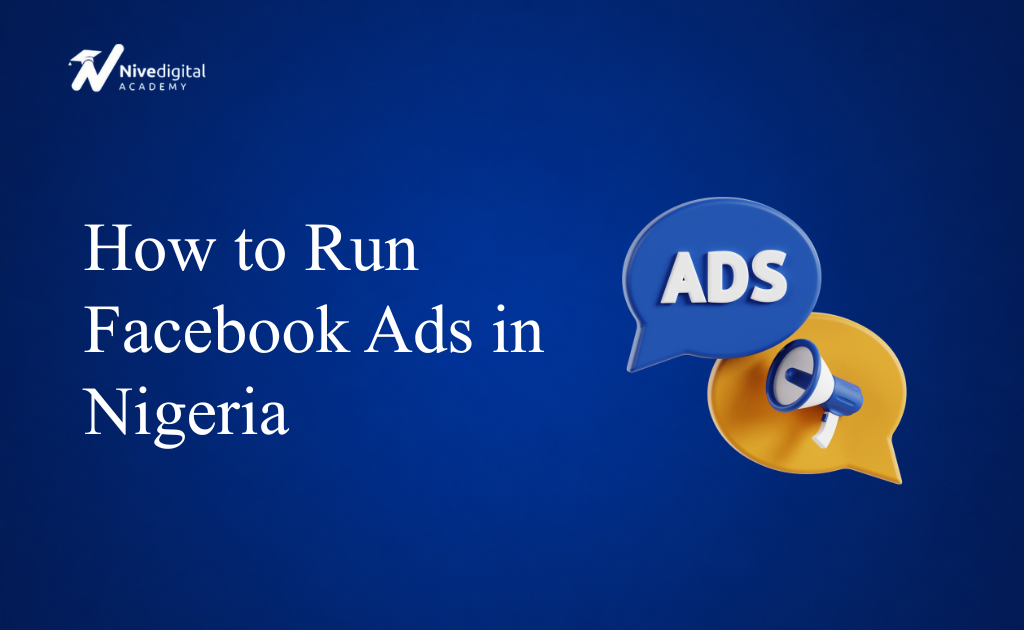
Facebook Ads remains one of the most effective digital marketing channels for businesses in Nigeria. Whether you run a small business, e-commerce store, real estate company, training academy, restaurant, or service-based business, Facebook and Instagram advertising can help you reach potential customers, generate leads, increase sales, and grow your brand.
NiveDigital Academy is a leading digital marketing training institute in Nigeria. Learn practical digital marketing skills, master SEO, social media marketing, Google Ads, content marketing, and more — and build the skills you need to grow a business, get clients, or start a career in digital marketing.
With millions of Nigerians actively using Facebook and Instagram every day, businesses have access to a large audience that can be targeted based on interests, demographics, behaviors, and locations. The platform’s advanced targeting capabilities make it possible to show your ads to people who are most likely to be interested in your products or services.
If you’re new to Facebook advertising or looking to improve your results, this guide will walk you through how to run Facebook Ads in Nigeria for your business in 2026.
Why Facebook Ads Still Work in Nigeria
Despite the growth of other marketing channels, Facebook and Instagram continue to be powerful advertising platforms.
Businesses use Facebook Ads because they offer:
- Precise audience targeting
- Flexible budgets
- Fast campaign setup
- Measurable results
- Access to Facebook and Instagram users
- Lead generation opportunities
Unlike traditional advertising, Facebook Ads allows businesses to track performance and optimize campaigns based on actual results.
What You Need Before Running Facebook Ads
Before creating your first campaign, make sure you have the following:
A Facebook Page
Your business should have a properly set up Facebook Page.
Your page should include:
- Business name
- Profile photo
- Cover image
- Contact information
- Website URL
- Business description
A professional page helps build trust with potential customers.
A Meta Business Account
Meta Business Manager helps you manage:
- Facebook Pages
- Ad accounts
- Team members
- Pixels
- Campaigns
Creating a Business Manager account is recommended for all serious advertisers.
A Clear Business Goal
Before spending money on ads, define what you want to achieve.
Common goals include:
- Lead generation
- Website traffic
- Product sales
- Brand awareness
- Event registrations
- App downloads
Your objective will influence how your campaign is structured.
Step 1: Understand Your Target Audience
One of the biggest reasons Facebook Ads succeed is audience targeting.
Ask yourself:
- Who is my ideal customer?
- Where do they live?
- What are their interests?
- What problems do they have?
- What solution am I offering?
For example:
A digital marketing academy may target:
- Students
- Entrepreneurs
- Business owners
- Job seekers
- Marketing professionals
A real estate company may target:
- Property investors
- Home buyers
- High-income earners
Understanding your audience improves campaign performance.
Step 2: Choose the Right Campaign Objective
Meta offers several campaign objectives.
Awareness
Best for:
- Brand visibility
- New businesses
- Product launches
Traffic
Best for:
- Driving visitors to your website
- Blog promotion
- Landing page visits
Engagement
Best for:
- Page likes
- Comments
- Shares
- Video views
Leads
Best for:
- Capturing inquiries
- Generating prospects
- Building contact lists
Sales
Best for:
- E-commerce stores
- Product purchases
- Online transactions
Choose the objective that aligns with your business goal.
Step 3: Create a Winning Offer
Many businesses fail because they focus on the advertisement rather than the offer.
People rarely click ads simply because they look attractive.
Your offer must be compelling.
Examples include:
- Free consultation
- Free guide
- Discount promotion
- Limited-time offer
- Free training session
- Product bundle
A strong offer often improves results more than changing ad settings.
Step 4: Set Up Audience Targeting
Meta allows detailed audience targeting.
Location Targeting
Target:
- Nigeria
- Lagos
- Abuja
- Port Harcourt
- Ibadan
- Enugu
- Kano
Or any location relevant to your business.
Age Targeting
Select an age range that matches your audience.
Interest Targeting
Examples include:
- Business
- Entrepreneurship
- Real estate
- Marketing
- Technology
- Education
Start broad enough to allow Meta’s algorithm to optimize delivery.
Step 5: Create Effective Ad Copy
Your ad copy should quickly grab attention and communicate value.
A simple framework is:
Problem
Identify a challenge your audience faces.
Solution
Explain how your product or service helps.
Call to Action
Tell users what to do next.
Example:
“Struggling to get customers online? Learn practical digital marketing skills and discover how to generate leads for your business. Register today.”
Keep your message clear and focused.
Step 6: Use High-Quality Creative
Your creative is often the first thing people notice.
Options include:
- Images
- Videos
- Carousels
- Reels
Good creatives should:
- Be visually appealing
- Highlight benefits
- Match your offer
- Grab attention quickly
Video ads continue to perform well across Facebook and Instagram.
Step 7: Set Your Budget
One advantage of Facebook Ads is flexibility.
Businesses can start with modest budgets and scale gradually.
When starting out:
- Test multiple audiences
- Test different creatives
- Monitor performance closely
Avoid increasing budgets too aggressively during the learning phase.
Step 8: Install the Meta Pixel
If you have a website, install the Meta Pixel.
The Pixel helps track:
- Page views
- Leads
- Purchases
- User behavior
Benefits include:
- Better optimization
- Improved targeting
- Conversion tracking
- Retargeting opportunities
The Pixel is one of the most valuable tools for advertisers.
Step 9: Launch and Monitor Your Campaign
After launching your campaign, monitor performance regularly.
Important metrics include:
Reach
The number of people who saw your ad.
Impressions
The total number of times your ad was displayed.
Click-Through Rate (CTR)
Measures how often people click after seeing your ad.
Cost Per Click (CPC)
Shows how much each click costs.
Cost Per Lead (CPL)
Measures how much you’re paying for each lead.
Conversions
Tracks meaningful actions such as purchases or inquiries.
Focus on business outcomes rather than vanity metrics.
Step 10: Optimize Your Campaign
Successful advertisers continuously improve performance.
Optimization may involve:
- Testing new creatives
- Adjusting audiences
- Refining offers
- Improving landing pages
- Scaling winning campaigns
Small improvements can produce significant results over time.
Common Facebook Ads Mistakes Nigerian Businesses Make
Many businesses waste money because of avoidable mistakes.
Targeting Everyone
Broad targeting without strategy often reduces effectiveness.
Weak Offers
Even great ads struggle if the offer is unattractive.
Ignoring Data
Successful campaigns rely on performance data.
Changing Campaigns Too Quickly
Allow campaigns enough time to gather meaningful data before making major changes.
Sending Traffic to Poor Landing Pages
A great ad cannot fix a weak landing page.
Facebook Ads vs Google Ads
Many businesses ask whether Facebook Ads or Google Ads is better.
Facebook Ads
Best for:
- Creating demand
- Brand awareness
- Social engagement
- Audience targeting
Google Ads
Best for:
- Capturing demand
- High-intent searches
- Immediate inquiries
- Search-driven leads
Many successful businesses use both platforms together.
How Much Does Facebook Advertising Cost in Nigeria?
Advertising costs vary depending on:
- Industry
- Competition
- Audience size
- Objective
- Creative quality
Some businesses generate results with modest budgets, while others invest significantly more depending on their goals and market.
The key is focusing on return on investment rather than spending alone.
Frequently Asked Questions
Can Small Businesses Run Facebook Ads?
Yes. Facebook Ads can be effective for businesses of all sizes.
Is Facebook Advertising Still Worth It in 2026?
Yes. Facebook and Instagram continue to provide valuable opportunities for reaching customers and generating leads.
How Much Should I Spend on Facebook Ads?
Your budget should depend on your goals, competition, and ability to convert leads into customers.
Should I Use Images or Videos?
Both can work. Testing different creative formats helps identify what performs best.
How Long Before Facebook Ads Produce Results?
Some campaigns generate results quickly, while others require testing and optimization before becoming profitable.
Can I Run Facebook Ads Without a Website?
Yes. Businesses can use lead forms, WhatsApp campaigns, Messenger campaigns, or direct messaging objectives.
Conclusion
Facebook Ads remains one of the most powerful tools available to Nigerian businesses in 2026. With the ability to target specific audiences, control budgets, measure results, and scale successful campaigns, Facebook and Instagram advertising can help businesses generate leads, increase sales, and build stronger brands. Success, however, requires more than simply boosting posts. Businesses that understand their audience, create compelling offers, use strong creatives, and continuously optimize campaigns are far more likely to achieve profitable results. By following the steps outlined in this guide, you can build a Facebook advertising strategy that supports your business growth and long-term marketing goals.