
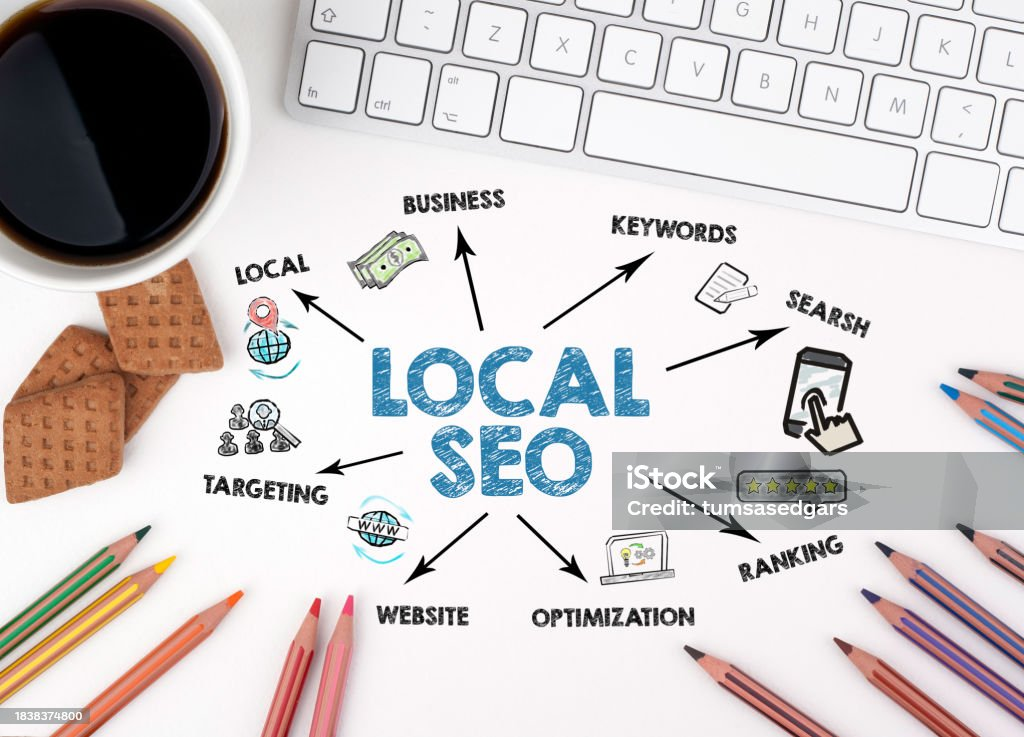
Local SEO is a powerful tool for businesses aiming to attract local customers. It enhances visibility in location-based searches, driving foot traffic and boosting online engagement. With the growing use of mobile devices for local searches, optimizing for local SEO has become essential for businesses to stay competitive. This guide explores the fundamentals of local SEO, how it works, and effective strategies to help your business succeed in local search results. Local SEO helps businesses appear in local search results, making them more visible to potential customers in their area. It involves optimizing a website to rank higher in search results for location-specific queries. Local SEO is crucial for businesses that serve a particular geographic area, as it drives targeted traffic and increases the chances of converting visitors into customers. In this guide, we will explain what local SEO is, how it works, and the key strategies to succeed.

What Is Local SEO?
Local SEO is the process of optimizing your online presence to attract more business from relevant local searches. These searches occur on Google and other search engines. They are typically performed by users seeking products or services near them. For example, searches like “best coffee shop near me” or “plumber in [city name]” are local searches. Local SEO ensures that your business shows up in these searches, increasing the chances of attracting local customers. It involves various strategies, including optimizing your website content, Google Business Profile, and building local citations to improve visibility in local search results. Local SEO is the process of optimizing a website to rank higher in local search engine results. It focuses on attracting users who are searching for services or products in a specific location. Local SEO involves optimizing your website’s content, metadata, and keywords to target local customers. It also includes managing online reviews, building local citations, and optimizing your Google Business Profile to improve local visibility.
How Does Local SEO Work?
Local SEO works by signaling to search engines that your business is relevant to users in a specific location. Search engines use location-based signals, such as local keywords, NAP (Name, Address, Phone number) consistency, Google Business Profile details, and user reviews to determine your relevance to local queries. When someone performs a local search, Google displays the local pack— a section of the search results showing a map with three local business listings. These listings are influenced by proximity, relevance, and prominence. By optimizing your online presence, you increase your chances of appearing in these local packs and attracting nearby customers. Local SEO works by helping search engines understand the relevance and location of your business. Search engines use location-based signals such as Google Business Profile, local citations, and user reviews to determine which businesses are most relevant to a user’s query. When a user searches for a product or service near their location, search engines display the most relevant local businesses in the local pack or map listings.
Google Business Profile plays a crucial role in local SEO. It provides essential information about your business, such as address, phone number, website, operating hours, and customer reviews. Optimizing your Google Business Profile helps your business appear in local search results and on Google Maps, increasing your chances of attracting local customers.
Key Local SEO Ranking Factors
Several factors influence local SEO rankings, including:
- Google Business Profile Optimization: Ensuring your profile is complete, accurate, and regularly updated.
- Local Citations: Consistent NAP (Name, Address, Phone Number) information across online directories.
- Online Reviews: Positive reviews and ratings build trust and improve rankings.
- On-Page SEO: Using local keywords in title tags, meta descriptions, and content.
- Backlinks: High-quality backlinks from local websites enhance authority.
- User Engagement: High click-through rates and low bounce rates signal relevance to search engines.
Benefits of Local SEO
Local SEO provides numerous benefits for businesses targeting local customers. One of the most significant advantages is increased visibility. By appearing in local search results, you enhance your chances of being discovered by nearby customers actively searching for your products or services. Local SEO also drives relevant traffic to your website and physical store, leading to higher conversion rates. It helps build trust and credibility as customers tend to trust businesses with accurate information, positive reviews, and high local rankings. Additionally, local SEO levels the playing field, allowing small and medium-sized businesses to compete with larger companies by targeting a specific geographic area. Local SEO offers several benefits, including increased visibility to local customers, higher website traffic, improved brand credibility, and better conversion rates. It helps small and medium-sized businesses compete with larger brands by targeting a specific geographic area. Local SEO also enhances user experience by providing relevant and accurate information, which builds trust and encourages customer loyalty.
How To Optimize for Local SEO
- Optimize Google Business Profile: Provide accurate business details, select relevant categories, and encourage customer reviews.
- Use Local Keywords: Include location-specific keywords in your website content, meta tags, and headings.
- Build Local Citations: List your business on local directories and ensure consistent NAP information.
- Create Location-Based Content: Write blog posts, guides, or news related to your local area to attract local traffic.
- Get Quality Backlinks: Collaborate with local businesses, participate in community events, and earn backlinks from reputable local sites.
- Encourage Online Reviews: Request satisfied customers to leave positive reviews and respond to them to build credibility.
Challenges in Local SEO
Despite its benefits, local SEO comes with challenges. One of the main challenges is maintaining NAP consistency across all online platforms. Inconsistent business information can confuse search engines and harm your local rankings. Another challenge is managing online reviews. Negative reviews can impact your reputation and local SEO performance, so it’s crucial to respond to them professionally. Local SEO is also highly competitive, especially in densely populated areas where many businesses compete for the same keywords. Additionally, algorithm updates can impact your local search visibility, requiring continuous monitoring and adjustments to your strategy. Local SEO challenges include maintaining consistent NAP information, managing online reviews, and staying updated with search engine algorithm changes. Competition from other local businesses can also impact rankings. Additionally, negative reviews or inaccurate business information can harm your local SEO performance.
Conclusion
Local SEO is a vital digital marketing strategy for businesses targeting customers within a specific geographic area. By optimizing your online presence, managing your Google Business Profile, and implementing local SEO strategies, you can enhance visibility, attract local customers, and grow your business. However, local SEO is not a one-time task. It requires continuous monitoring, updating, and strategic adjustments to maintain a competitive edge. By staying proactive and responsive to local SEO trends and algorithm changes, businesses can achieve long-term success and maximize their return on investment. Local SEO is essential for businesses targeting local customers. By optimizing your website for local search queries and maintaining an accurate Google Business Profile, you can increase visibility, attract more local customers, and grow your business. Local SEO is an ongoing process that requires regular updates, monitoring, and strategic adjustments. By implementing effective local SEO strategies, you can enhance your online presence, improve customer engagement, and achieve long-term success.
FAQs
What is Local SEO?
Local SEO is the process of optimizing a website to rank higher in local search engine results, attracting customers from a specific geographic area.
Why is Local SEO important?
Local SEO helps businesses reach local customers, increase visibility, and drive targeted traffic, leading to higher conversions and sales.
How does Google Business Profile affect Local SEO?
Google Business Profile provides essential business details and influences local search visibility. Optimizing it improves local rankings.
Can small businesses benefit from Local SEO?
Yes, Local SEO helps small businesses compete with larger brands by targeting local customers, building brand awareness, and increasing sales.