NiveDigital Academy

Nive Digital Academy Menu

Social Media Marketing (SMM): What It Is, How It Works, Pros and Cons
smm

What Is Social Media Marketing (SMM)? Social Media Marketing (SMM) is the process of promoting products, services, or brands on social media platforms. Businesses use social media to reach customers, increase sales, and build brand awareness. SMM involves creating content, running advertisements, and engaging with users on platforms like Facebook, Instagram, Twitter, LinkedIn, TikTok, and YouTube. How Social Media Marketing Works Social Media Marketing uses digital platforms to connect with target audiences. Businesses create and share content, interact with followers, and run ads to achieve marketing goals. The key elements of SMM include: 1. Creating a Social Media Strategy A successful SMM campaign starts with a clear strategy. Businesses should define: 2. Content Creation and Posting Businesses create content that attracts and engages users. Common types of content include: 3. Engagement and Community Management Businesses must interact with followers by: 4. Social Media Advertising Paid ads help businesses reach a larger audience. Common ad types include: 5. Analytics and Performance Tracking Businesses use analytics tools to measure campaign success. Important metrics include: Pros of Social Media Marketing 1. Increased Brand Awareness SMM helps businesses reach a wide audience. Regular posting and engagement improve brand recognition. 2. Cost-Effective Marketing Social media platforms offer free tools for marketing. Paid ads are cheaper compared to traditional advertising. 3. Better Customer Engagement Businesses interact with customers directly through comments, messages, and live chats. 4. Targeted Advertising Social media platforms allow businesses to reach specific demographics based on age, location, and interests. 5. Increased Website Traffic Sharing links to a website on social media drives traffic and potential sales. 6. Competitive Advantage A strong social media presence helps businesses stand out from competitors. 7. Improved Search Engine Rankings Consistent engagement and shared content can boost SEO rankings, leading to more website visitors. Cons of Social Media Marketing 1. Time-Consuming Creating content, posting, and engaging with users require consistent effort. 2. Negative Feedback and Public Complaints Customers can leave bad reviews or complaints, which can harm a brand’s reputation. 3. Algorithm Changes Social media platforms update their algorithms regularly, affecting content visibility. 4. High Competition Many businesses use social media, making it hard to stand out. 5. Paid Ads Can Be Expensive Running ads requires budgeting and constant optimization to get results. 6. Privacy and Security Risks Data breaches and hacking can expose sensitive business and customer information. Best Practices for Successful Social Media Marketing 1. Choose the Right Platforms Each social media platform serves different audiences. Businesses should select platforms based on their target market. 2. Post Consistently Regular posting keeps audiences engaged. A content calendar helps maintain consistency. 3. Use High-Quality Visuals Attractive images and videos increase engagement and shares. 4. Engage With Followers Businesses should respond to comments, ask questions, and interact with users to build relationships. 5. Leverage Influencer Marketing Collaborating with influencers helps businesses reach a larger audience and gain credibility. 6. Track Performance and Adjust Strategies Using analytics tools helps businesses understand what works and improve their strategy. 7. Optimize Content for Each Platform Content should match the style and audience of each platform. For example: Conclusion Social Media Marketing (SMM) helps businesses connect with customers, promote products, and grow their brands. It includes content creation, advertising, engagement, and analytics. While SMM offers benefits like cost-effectiveness and audience reach, it also comes with challenges like competition and algorithm changes. A strong strategy, quality content, and regular engagement improve success in social media marketing. Businesses that use social media effectively can increase brand awareness, attract customers, and drive sales. Frequently Asked Questions (FAQs) 1. Is Social Media Marketing Free? Basic SMM is free, but businesses often invest in paid ads and tools for better results. 2. How Long Does It Take to See Results from SMM? Results vary based on strategy, audience, and competition. Organic growth may take months, while paid ads yield faster results. 3. Which Social Media Platform Is Best for Marketing? The best platform depends on the business and target audience. Facebook and Instagram work well for most industries, while LinkedIn is best for B2B marketing. 4. Can Small Businesses Benefit from Social Media Marketing? Yes. SMM helps small businesses reach new customers, build trust, and increase sales without large advertising costs.
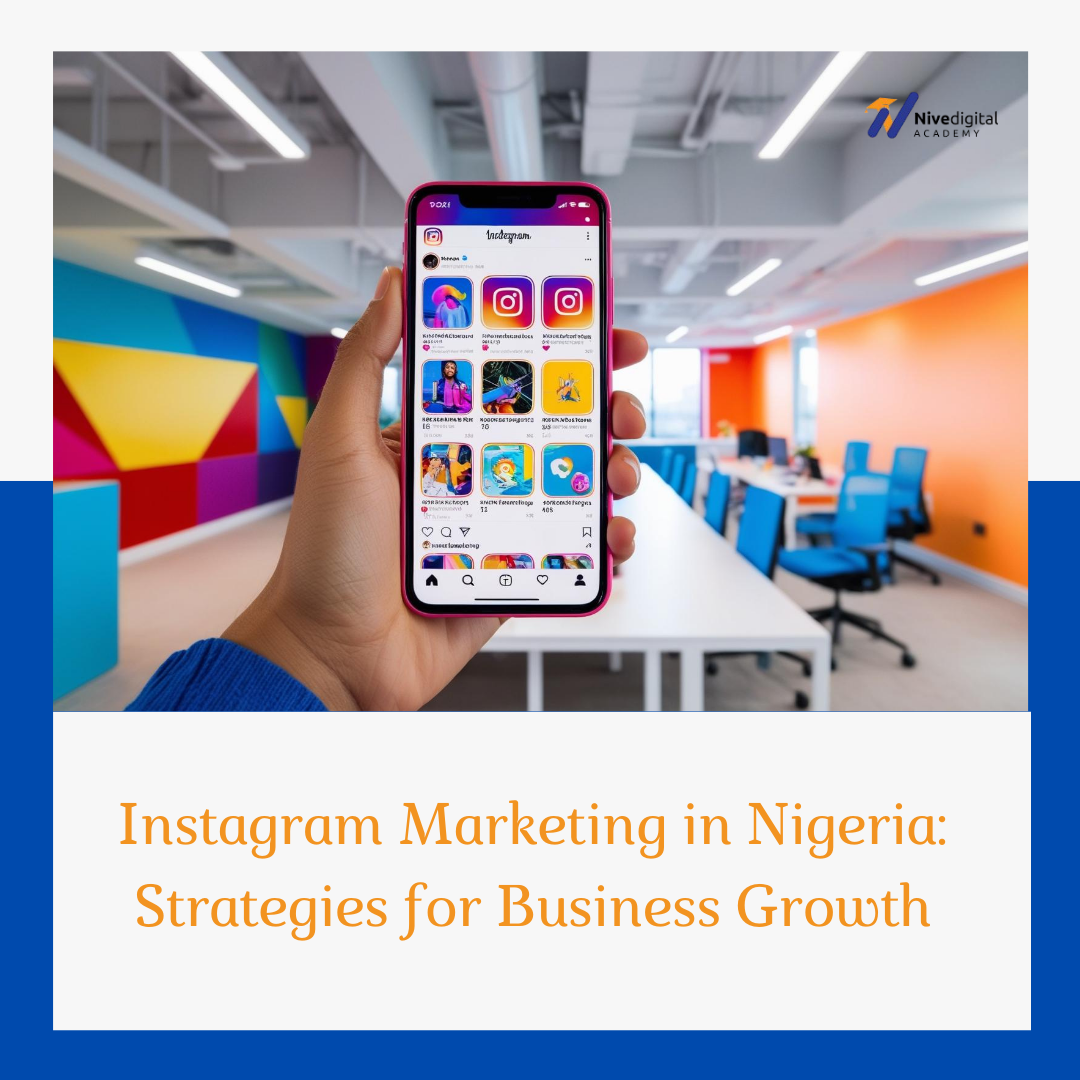
Instagram Marketing in Nigeria: Strategies for Business Growth

insra

What Is Instagram Marketing? Instagram marketing involves using Instagram to promote businesses, products, and services. Companies create content, engage with followers, and use paid advertising to increase brand awareness and sales. The platform is highly visual, making it an excellent choice for businesses looking to showcase their offerings. Why Instagram Is Important for Businesses in Nigeria Instagram is one of Nigeria’s most popular social media platforms, with millions of active users. This gives businesses access to a vast audience. By using Instagram effectively, businesses can build a strong online presence, engage with customers, and drive sales. Key Strategies for Instagram Marketing in Nigeria 1. Set Up a Business Account Using a business account instead of a personal one gives businesses access to Instagram Insights, advertising tools, and contact buttons. These features help track performance and improve marketing strategies. 2. Optimize Your Profile A well-optimized profile helps businesses attract and retain followers. Important elements include: 3. Develop a Content Strategy Posting engaging content consistently helps businesses stay relevant. Content types include: 4. Post Regularly and at the Right Time Posting consistently keeps followers engaged. Businesses should determine the best time to post based on when their audience is most active. Using Instagram Insights helps track engagement trends. 5. Use Hashtags Wisely Hashtags improve content visibility. Best practices include: 6. Engage With Your Audience Engagement builds trust and encourages customer loyalty. Businesses should: 7. Partner With Influencers Influencers have a strong following and can help businesses reach more potential customers. Choosing influencers that align with the brand ensures effective collaboration. 8. Run Instagram Ads Paid advertising helps businesses reach a targeted audience. Types of Instagram ads include: 9. Use Instagram Shopping Features Instagram allows businesses to sell directly through the platform. Features include: 10. Track Performance and Adjust Strategies Instagram Insights provides useful data about audience engagement. Businesses should monitor: Pros of Instagram Marketing 1. Large Audience Reach Instagram has millions of users in Nigeria, making it an excellent platform for businesses looking to expand their reach. 2. Strong Visual Appeal Since Instagram is a visual platform, businesses can showcase their products in an attractive and engaging way. 3. High Engagement Rates Users are more likely to interact with visually appealing content, leading to better engagement rates compared to text-based platforms. 4. Cost-Effective Marketing Businesses can market their products for free through organic posts or choose paid ads based on their budget. 5. Direct Customer Interaction Brands can interact with customers through comments, direct messages, and live videos, strengthening relationships and boosting customer loyalty. Cons of Instagram Marketing 1. Requires Consistency and Effort Success on Instagram requires regular posting and active engagement. 2. High Competition With many businesses competing for attention, standing out requires creativity and quality content. 3. Algorithm Changes Instagram’s algorithm affects content visibility, meaning businesses must adapt their strategies regularly. 4. Paid Ads Require a Budget While organic reach is possible, paid ads deliver better results but require financial investment. 5. Limited Organic Reach Due to algorithm restrictions, organic posts may not reach as many people without ads. Best Practices for Instagram Marketing in Nigeria 1. Understand Your Target Audience Identify who your customers are based on age, interests, and buying behavior. 2. Post at the Right Time Schedule posts when followers are most active to maximize engagement. 3. Use High-Quality Visuals Clear, well-lit images and videos attract more attention and boost credibility. 4. Write Engaging Captions Captions should be concise, informative, and include a call to action that encourages interaction. 5. Leverage Instagram Stories and Reels Stories and Reels offer higher visibility and engagement, making them useful for promotions and brand awareness. 6. Offer Promotions and Discounts Limited-time offers and discounts encourage more sales and customer engagement. 7. Track Performance and Make Adjustments Use Instagram Insights to analyze what works and improve strategies accordingly. Conclusion Instagram marketing is a powerful tool for businesses in Nigeria. With the right strategies, consistent effort, and audience engagement, businesses can grow their brand, increase sales, and build strong customer relationships. By tracking performance and adjusting tactics, companies can maximize their success on Instagram. Frequently Asked Questions (FAQs) 1. Is Instagram Marketing Free? Yes, businesses can post for free. However, paid ads help reach a larger audience more quickly. 2. How Long Does It Take to See Results from Instagram Marketing? Organic growth takes time, usually a few months. Paid ads can generate faster results. 3. Which Businesses Benefit Most from Instagram Marketing? Businesses in fashion, beauty, food, entertainment, and e-commerce tend to perform well on Instagram. 4. Can Small Businesses Succeed on Instagram? Yes. Small businesses can grow by posting quality content, engaging with followers, and using targeted ads.

How to Run Facebook Ads in Nigeria (Beginner’s Guide)

bhi

Facebook ads help businesses reach potential customers in Nigeria. With a large number of active users, Facebook provides an effective platform for advertising. This guide explains how beginners can create, manage, and optimize Facebook ads in Nigeria. Step 1: Create a Facebook Business Page To run Facebook ads, you need a Facebook Business Page. Follow these steps: Step 2: Set Up Facebook Ads Manager Facebook Ads Manager is where you create and manage ads. To set it up: Step 3: Choose Your Target Audience Facebook allows you to target specific people based on: Step 4: Set Your Budget and Schedule Decide how much you want to spend. Options include: Step 5: Choose Your Ad Format Facebook offers different ad formats, including: Step 6: Write Compelling Ad Copy Your ad copy should be clear and persuasive. Tips for writing effective copy: Step 7: Review and Publish Your Ad Before publishing, review: Click “Publish” when satisfied. Step 8: Monitor and Optimize Your Ads After launching the ad, monitor its performance using: Make adjustments based on performance to improve results. Common Mistakes to Avoid Conclusion Running Facebook ads in Nigeria is an effective way to grow a business. By following these steps, businesses can reach their target audience, increase engagement, and boost sales. Continuous monitoring and optimization ensure better results over time. Frequently Asked Questions (FAQs) 1. How much does it cost to run Facebook ads in Nigeria? The cost depends on your budget. You can start with as little as ₦1,000 per day. 2. Can I run Facebook ads without a business page? No, you need a Facebook Business Page to create ads. 3. What type of business can benefit from Facebook ads? All types of businesses, including e-commerce, real estate, education, and services, can benefit. 4. How long does it take to see results? Results vary but can be seen within days, depending on ad optimization and targeting.

SEO vs. Google Ads: Which One is Better for Your Business?

67rt

If you want more people to find your business online, you’ve probably heard about SEO (Search Engine Optimization) and Google Ads. Both can help bring in customers, but they work differently. The right choice depends on your goals, budget, and how quickly you need results. Some businesses rely entirely on SEO, while others use Google Ads for immediate results. Many successful companies use both strategies together. This guide will break down the key differences, benefits, and best use cases for each option so you can decide which is best for your business. What is SEO? SEO is the process of optimizing your website to rank higher in search engine results without paying for ads. The goal is to attract organic traffic—people who find your business naturally when they search for something related to your products or services. Search engines like Google, Bing, and Yahoo rank websites based on factors like relevance, speed, user experience, and content quality. If your site is well-optimized, it will appear higher in search results, bringing in more visitors. How SEO Works SEO includes various strategies to improve your website’s ranking: SEO is a long-term strategy that requires patience. It can take weeks or months to see results, but once your website ranks high, it can bring consistent, free traffic without ongoing costs. What is Google Ads? Google Ads is a paid advertising platform where businesses can display ads at the top of search results. When users search for specific keywords, your ad appears above the organic results. You only pay when someone clicks on your ad (this is called pay-per-click or PPC). Unlike SEO, which takes time, Google Ads can bring instant traffic. If you want fast results, ads can help you reach your audience immediately. How Google Ads Works Google Ads works through a bidding system: Google Ads allows you to target specific locations, demographics, and even devices, giving you full control over your advertising. Key Differences Between SEO and Google Ads Feature SEO Google Ads Cost Free traffic, but requires time and effort Pay per click (PPC) Speed Takes months to see results Immediate results Long-Term Value Traffic lasts longer Stops when you stop paying Trust & Credibility More trusted by users Labeled as “Ad” Click Potential Higher over time Instant but fewer clicks Best For Long-term growth Quick sales and promotions Both SEO and Google Ads have their own advantages, so choosing one depends on your business goals. Benefits of SEO 1. Free, Long-Term Traffic Once your website ranks high, it brings in visitors without ongoing costs. Unlike Google Ads, where you pay for each click, SEO allows you to generate free organic traffic over time. 2. Builds Trust and Credibility People trust organic search results more than ads. Websites that appear naturally in Google’s top results are seen as more reliable. Having a strong SEO presence helps build credibility for your business. 3. Higher Click-Through Rates (CTR) Studies show that users click on organic results more often than paid ads. Many people scroll past ads and go directly to the first few organic search results. 4. Good for Evergreen Content SEO is great for websites with informational content, such as blogs, guides, and tutorials. If you regularly publish helpful content, your site can continue attracting visitors for years. Benefits of Google Ads 1. Instant Traffic and Results If you need traffic immediately, Google Ads is the best option. Unlike SEO, which takes time, ads allow your business to appear at the top of search results right away. 2. Highly Targeted Advertising With Google Ads, you can target specific locations, age groups, devices, and even times of the day. This makes it easy to reach the right audience and maximize your ad budget. 3. Full Control Over Budget Google Ads lets you set daily budgets and adjust them anytime. You can increase spending for high-performing ads and stop or modify low-performing ones. 4. Great for Promotions and New Products If you have a limited-time offer, seasonal sale, or new product launch, Google Ads can drive immediate traffic and conversions. Which One Should You Choose? For the best results, many businesses use both SEO and Google Ads together. Google Ads brings fast traffic, while SEO builds a steady stream of visitors over time. If you have the budget, combining both strategies can maximize your online presence. How to Combine SEO and Google Ads for Maximum Results If you want to grow your business online, using both SEO and Google Ads together is the best approach. Here’s how: Conclusion Both SEO and Google Ads are powerful tools for growing your business online. SEO helps you build long-term trust and organic traffic, while Google Ads provides instant visibility and fast results. If you want a sustainable and cost-effective approach, focus on SEO. If you need quick leads or sales, use Google Ads. The best approach is to combine both to maximize your traffic and business growth. Investing in the right strategy will help you reach more customers, increase sales, and grow your business successfully.

Common SEO Mistakes Businesses Make (And How to Fix Them)

yu

Search engine optimization (SEO) is essential for increasing online visibility and driving organic traffic. Many businesses, however, make critical mistakes that lower their search rankings and limit their online reach. By understanding these common SEO mistakes and learning how to fix them, businesses can improve their search engine performance and attract more customers. 1. Ignoring Keyword Research Mistake Many businesses create content without proper keyword research. They either guess which keywords to target or use generic ones that do not match user intent. This results in poor search rankings and reduced visibility. How to fix Use keyword research tools such as Google Keyword Planner, Ahrefs, or SEMrush to find relevant keywords with high search volume and low competition. Focus on a mix of short-tail and long-tail keywords. Short-tail keywords are broad (e.g., “digital marketing”), while long-tail keywords are more specific (e.g., “digital marketing tips for small businesses”). Ensure keywords fit naturally within the content, including titles, headers, meta descriptions, and body text. Avoid overloading content with keywords, as this can hurt readability and lead to penalties. 2. Using Duplicate Content Mistake Publishing duplicate content, whether copied from another website or repeated across multiple pages, confuses search engines. Google may penalize websites with duplicate content, resulting in lower rankings. How to Fix Create unique and original content for every page. Use plagiarism-checking tools like Copyscape or Grammarly to ensure content uniqueness. If similar content must exist across pages, use canonical tags to tell search engines which version to prioritize. Additionally, avoid using auto-generated content, as search engines value high-quality, human-written content that provides genuine value. 3. Neglecting Mobile Optimization Mistake A website that does not function well on mobile devices frustrates users and ranks lower in search results. With most internet searches happening on mobile devices, mobile optimization is crucial. How to fix Use responsive web design to ensure your website adapts to different screen sizes. Test mobile performance using Google’s Mobile-Friendly Test. Improve page load times by compressing images, enabling lazy loading, and reducing unnecessary scripts. Ensure buttons and navigation are easily clickable on small screens. 4. Ignoring Meta Descriptions and Title Tags Mistake Many businesses fail to optimize title tags and meta descriptions, which are essential for click-through rates (CTR). Generic or missing descriptions reduce the chances of users clicking on search results. How to fix Write compelling, keyword-rich title tags and meta descriptions for every page. Titles should be under 60 characters, while meta descriptions should be under 160 characters. Keep them clear and action-driven to encourage clicks. Example: 5. Slow Website Speed Mistake A slow-loading website increases bounce rates and negatively impacts search rankings. Users expect fast-loading pages, and search engines prioritize websites that offer a smooth experience. How to fix Compress images without losing quality using tools like TinyPNG or ImageOptim. Enable browser caching and use a content delivery network (CDN) to speed up page loading. Minimize JavaScript and CSS files and reduce unnecessary plugins. Use Google PageSpeed Insights to analyze and improve loading speed. 6. Not Using Internal Links Mistake Many businesses fail to use internal links, making it harder for search engines to understand site structure. This limits content discoverability and reduces ranking potential. How to fix Include relevant internal links within your content to connect pages and guide users. Use descriptive anchor text instead of generic phrases like “click here.” Well-structured internal linking improves user navigation and helps search engines index pages more effectively. 7. Poor URL Structure Mistake Long, complex URLs with unnecessary characters make it difficult for users and search engines to understand page content. How to fix Use short, descriptive URLs with relevant keywords. Avoid numbers, special characters, and excessive parameters. Example: 8. Not Optimizing Images Mistake Large image files slow down websites, and missing alt text prevents search engines from understanding image content. How to fix Compress images before uploading them. Use descriptive file names and add alt text that accurately describes the image. Alt text improves accessibility and helps images appear in search results. 9. Ignoring Local SEO Mistake Businesses that do not optimize for local searches miss out on potential customers in their area. How to fix Create and verify a Google My Business profile. Use location-based keywords, add business hours, and encourage customer reviews. Ensure your name, address, and phone number (NAP) remain consistent across all online directories. 10. Not Updating Content Regularly Mistake Old, outdated content ranks lower in search results and reduces credibility. How to fix Regularly update blog posts, service pages, and product descriptions with new information and relevant keywords. Refresh old content with new insights, statistics, and images to keep it useful and engaging. 11. Overusing Keywords Mistake Keyword stuffing makes content hard to read and can lead to search engine penalties. How to fix Use keywords naturally throughout content. Prioritize readability over keyword density. Ensure each piece of content is informative, engaging, and valuable to users. 12. Ignoring Backlinks Mistake Backlinks from reputable websites boost domain authority, but many businesses do not focus on link-building. How to fix Earn backlinks by creating high-quality content, reaching out to industry blogs, and guest posting. Avoid spammy backlinks, as low-quality links can harm rankings. 13. Not Tracking SEO Performance Mistake Failing to monitor SEO performance makes it difficult to improve strategies. How to fix Use Google Analytics and Google Search Console to track keyword rankings, traffic, and user behavior. Analyze data and adjust SEO efforts accordingly. Conclusion Avoiding these SEO mistakes improves search rankings and increases website traffic. Businesses should focus on keyword research, mobile optimization, content freshness, and user experience. Consistent efforts lead to long-term success in search engine visibility.

Categories SEO

Google My Business Optimization: How to Rank in Local Searches

gmb

Google My Business (GMB) is a powerful free tool that helps businesses manage their online presence across Google Search and Maps. When optimized correctly, it boosts local search rankings, attracts more customers, and builds credibility. This guide will walk you through the key steps to optimize your GMB listing and improve your local search visibility. What is Google My Business and Why Does It Matter? Google My Business allows businesses to display essential details such as location, hours, contact information, and customer reviews. When people search for a service or business nearby, Google pulls information from GMB profiles to show the most relevant results. If you run a local business, optimizing your GMB profile can help you stand out, appear in Google Maps, and attract more potential customers. Now, let’s go through the steps to make your profile as effective as possible. How to Optimize Your GMB Profile 1. Claim and Verify Your Business Listing First, ensure that you have claimed and verified your business on Google. Here’s how: Verification proves that you are the rightful owner and ensures that no one else can make changes to your profile. 2. Fill Out Your Business Information Completely Google prioritizes profiles with complete and accurate information. Make sure to update the following: 3. Upload High-Quality Photos and Videos Visual content increases engagement. Businesses with images get 42% more requests for directions and 35% more website clicks. Include: 4. Get and Manage Customer Reviews Reviews build credibility and improve rankings. Encourage satisfied customers to leave positive reviews by: Respond to all reviews: 5. Use Google Posts to Keep Customers Updated Google Posts allow you to share updates, promotions, and events directly in search results. Keep these best practices in mind: 6. Optimize Your Profile with Keywords Google ranks businesses based on relevance, distance, and prominence. Use relevant keywords naturally in: Avoid overloading keywords, as this can hurt your ranking. 7. List Your Products and Services Clearly Help customers understand what you offer by adding detailed product and service descriptions. Include: 8. Utilize Business Attributes and Highlights Google allows businesses to highlight unique features such as: Adding these details makes your business more attractive to potential customers. 9. Enable Messaging and Q&A Being responsive improves engagement and trust. 10. Track Performance with GMB Insights Google provides analytics that show how customers interact with your business. You can track: Use this data to refine your strategy and attract more customers. Advanced GMB Optimization Tips 1. Keep Your Business Information Consistent Everywhere Ensure your business details are the same across: Inconsistent information can confuse customers and hurt your search ranking. 2. Get Backlinks from Local Websites Having other reputable local websites link to yours improves credibility. Strategies include: 3. Optimize for Voice Search Many users search using voice assistants like Google Assistant. To optimize for voice search: 4. Share Your Google My Business Profile on Social Media Promote your GMB listing by sharing it on Facebook, Instagram, Twitter, and LinkedIn. This increases engagement and helps Google recognize your business as active and relevant. Mistakes to Avoid in GMB Optimization Conclusion Optimizing your Google My Business profile is one of the best ways to improve your local search rankings and attract more customers. By following these steps, keeping your profile updated, and engaging with customers, you can build a strong online presence that drives long-term success. Frequently Asked Questions About Google My Business 1. How long does it take for changes to show on Google? Most updates appear within a few days, though some (like photos) may be visible almost immediately. 2. Can I manage multiple business locations in one GMB account? Yes, you can manage multiple locations under one account using the ‘Manage Locations’ feature. 3. Is Google My Business free to use? Yes, GMB is completely free. You can also use Google Ads for additional promotions. 4. How can I improve my local SEO with GMB? To improve local SEO:

How to Optimize Your Website for Local SEO in Nigeria

op

If you run a business in Nigeria, you want customers in your area to find you easily when they search online. That’s where local SEO (Search Engine Optimization) comes in. Local SEO helps businesses appear in search results for users nearby, making it easier for potential customers to discover and connect with you. Whether you own a restaurant in Lagos, a boutique in Abuja, or a tech company in Port Harcourt, optimizing for local search will give your business a competitive edge. This guide will walk you through everything you need to know about optimizing your website for local SEO in Nigeria, ensuring that customers can find your business quickly and easily. 1. Claim and Optimize Your Google My Business (GMB) Listing Google My Business (GMB) is a free tool that helps businesses manage their online presence on Google Search and Maps. If you want your business to show up when people search for related services in your area, this is the first step you should take. How to Set Up and Optimize Your GMB Listing: A well-optimized GMB listing can increase visibility and bring more local customers to your business. 2. Optimize Your Website with Local Keywords If you want your website to rank for searches related to your business, you need to use location-based keywords that people actually search for. How to Use Local Keywords Effectively: By using relevant keywords, search engines can better understand your website and show it to people searching for businesses like yours. 3. Ensure NAP Consistency (Name, Address, Phone Number) Your business details should be consistent across all platforms, including your website, social media, and business directories. How to Maintain NAP Consistency: This consistency helps search engines trust your business information and rank your website higher in local search results. 4. Build Local Citations and Business Listings A citation is simply a mention of your business on other websites, like business directories and social media platforms. Having multiple citations improves your credibility and search engine ranking. Where to List Your Business: The more reputable websites that mention your business, the more search engines recognize it as a trusted local business. 5. Get More Local Customer Reviews Reviews build trust and credibility, influencing both potential customers and search rankings. How to Get More Reviews: A steady flow of positive reviews boosts your online reputation and increases local visibility. 6. Optimize for Mobile Users Most internet users in Nigeria access the web through their mobile phones. If your website isn’t mobile-friendly, you’ll lose potential customers. How to Optimize for Mobile: A mobile-friendly website improves user experience and increases your chances of ranking higher in search results. 7. Create Location-Specific Content Writing about local topics and trends helps your website attract more visitors from your area. Ideas for Local Content: Creating locally relevant content helps establish your business as an authority in your industry. 8. Leverage Social Media for Local Engagement Social media plays a huge role in local business visibility in Nigeria. How to Use Social Media for Local SEO: Active social media engagement helps build a strong local brand presence. 9. Use Structured Data Markup Structured data (schema markup) helps search engines understand your business information better. How to Implement Structured Data: This improves search engine visibility and increases click-through rates. Conclusion Local SEO is essential for attracting customers in Nigeria. By optimizing your Google My Business listing, using local keywords, getting customer reviews, and improving mobile-friendliness, your business will stand out in search results. Frequently Asked Questions 1. How long does it take to see results from local SEO? Local SEO results vary, but businesses typically see improvements within 3 to 6 months with consistent efforts. 2. Can I do local SEO myself, or do I need an expert? You can handle basic local SEO yourself, but hiring an expert can help you achieve better and faster results. 3. Why are customer reviews important for local SEO? Customer reviews increase trust, improve rankings, and encourage more people to choose your business over competitors. 4. How often should I update my business information online? Update your business details whenever changes occur to ensure customers and search engines always have accurate information.

How to Do Keyword Research for Websites

keyword

Keyword research is the foundation of any successful SEO strategy. It helps businesses understand what their target audience is searching for and how to optimize content to attract the right visitors. Whether you run a blog, an e-commerce store, or a corporate website, proper keyword research can improve your search engine rankings and drive organic traffic to your site. This guide will walk you through the essential steps to conduct keyword research effectively, breaking it down into simple, easy-to-follow steps that will help you find the best keywords for your website. 1. Define Your Website’s Goals Before diving into keyword research, it’s important to have a clear understanding of what you want to achieve with your website. Ask yourself these questions: Your answers will shape your keyword strategy and determine the types of keywords you should be targeting. 2. Know Your Target Audience Understanding your audience helps you select keywords that align with their search intent. Consider these factors: By understanding your audience, you can choose keywords that truly reflect their needs and behaviors. 3. Start with Seed Keywords Seed keywords are broad, general terms related to your business or industry. These are the words that describe what you do and form the base of your keyword research. For example: Once you have a list of seed keywords, you can use them to find more specific, high-value keywords. 4. Use Keyword Research Tools There are many free and paid keyword research tools available that can help you find the right keywords. Free Tools: Paid Tools: Using a mix of these tools, you can generate a comprehensive keyword list tailored to your website. 5. Analyze Keyword Metrics Once you have a list of potential keywords, analyze the following metrics to determine which ones to use: Choosing keywords with a good balance of search volume and competition will improve your SEO success. 6. Focus on Long-Tail Keywords Long-tail keywords are longer, more specific phrases that often have lower competition but higher conversion rates. Examples: Long-tail keywords attract visitors who are closer to making a decision, making them highly valuable for SEO. 7. Analyze Competitor Keywords Analyzing your competitors can provide valuable keyword insights. How to Find Competitor Keywords: This will help you understand which keywords are working well in your industry and where you can gain an advantage. 8. Organize Keywords by Search Intent Search intent is the reason behind a user’s search query. There are four main types: Grouping your keywords by intent helps create content that matches user needs. 9. Use Keywords Naturally in Content Once you finalize your keywords, incorporate them strategically into your content: Avoid keyword stuffing, as it can harm your rankings and readability. 10. Monitor and Update Your Keyword Strategy SEO is an ongoing process. Regularly track your keyword rankings and update your strategy based on performance. Best Practices for Ongoing Optimization: Conclusion Keyword research is a crucial part of SEO that helps your website attract the right audience. By understanding search intent, analyzing competition, and using the right tools, you can build a strong keyword strategy. Keep refining your keyword approach to stay ahead in search rankings and grow your website traffic. Frequently Asked Questions 1. How often should I update my keyword strategy? You should review and update your keywords every 3-6 months to keep up with trends and competition. 2. Can I use the same keywords for multiple pages? While you can target similar keywords, avoid keyword cannibalization, where multiple pages compete for the same term. 3. What is the best tool for beginners to do keyword research? Google Keyword Planner is a great free tool for beginners, while Ahrefs and SEMrush offer advanced features. 4. How many keywords should I target per page? Focus on 1-3 primary keywords and a few related keywords per page to maintain clarity and avoid stuffing.

Categories SEO

How to Get High-Quality Backlinks for Nigerian Websites

BACK

Backlinks are one of the most important factors in SEO. They act as votes of confidence from other websites, signaling to Google that your site is trustworthy and valuable. For Nigerian websites, getting high-quality backlinks can improve search rankings, increase organic traffic, and boost domain authority. In this guide, we will cover proven strategies to get high-quality backlinks specifically for Nigerian websites. What Are High-Quality Backlinks? Not all backlinks are equal. High-quality backlinks come from: Low-quality backlinks, such as spammy or paid links, can harm your site’s SEO. How to Get High-Quality Backlinks for Nigerian Websites 1. Publish High-Quality Content Content is the foundation of link building. People naturally link to valuable, informative, and unique content. Best Content Types for Backlinks: The more valuable your content, the higher the chances of earning backlinks. 2. Get Featured on Nigerian News Websites Major Nigerian news platforms like Punch, Vanguard, The Guardian, and BusinessDay often link to sources when publishing articles. How to Get Featured: This strategy builds credibility and provides high-authority backlinks. 3. Guest Posting on Nigerian Blogs Guest posting involves writing articles for other websites in exchange for a backlink. How to Find Guest Post Opportunities: Avoid spammy guest posting sites that allow too many low-quality links. 4. Leverage Business Directories & Local Listings Submitting your website to trusted Nigerian directories helps with local SEO and builds backlinks. Best Nigerian Business Directories: Make sure your business name, address, and website link are correct. 5. Use HARO to Get International Backlinks HARO (Help a Reporter Out) connects journalists with experts. You can provide insights and get featured in global publications with backlinks. How to Use HARO: This method works well for Nigerian entrepreneurs, marketers, and bloggers. 6. Build Links from Nigerian Forums & Q&A Sites Engaging in Nigerian online communities can help you earn backlinks and drive traffic. Best Nigerian Forums & Q&A Platforms: 7. Get Backlinks from University & Government Sites (.edu & .gov.ng) Links from .edu.ng and .gov.ng websites have high authority. You can get backlinks by: How to Get Educational & Government Backlinks: These links are valuable and help boost SEO rankings. 8. Fix Broken Links to Nigerian Websites Broken link building involves finding broken links on other websites and suggesting your site as a replacement. How to Find Broken Links: This is a win-win: You help them fix their site while earning a backlink. 9. Partner with Nigerian Influencers & Bloggers Influencers and bloggers can mention your website in their content. How to Get Backlinks from Influencers: Building long-term relationships with influencers leads to consistent backlinks. 10. Create Shareable Infographics & Videos Visual content like infographics and videos gets shared more, leading to natural backlinks. How to Get Backlinks with Infographics: The more people share your infographic, the more backlinks you earn. Conclusion Getting high-quality backlinks for Nigerian websites requires consistent effort. Focus on: Backlinks boost your domain authority, improve rankings, and drive organic traffic. Start implementing these strategies today and watch your site grow! FAQs 1. How many backlinks do I need to rank on Google Nigeria? There is no fixed number, but quality matters more than quantity. A few high-authority backlinks from relevant sites are better than hundreds of low-quality links. 2. Is buying backlinks a good idea? No. Buying backlinks violates Google’s guidelines and can result in penalties. Focus on natural link-building strategies instead. 3. How long does it take to see results from backlinks? It depends on competition and link quality. Most websites see improvements in 3-6 months after acquiring high-quality backlinks. 4. What is the fastest way to get backlinks? The fastest methods include guest posting, business directories, influencer collaborations, and broken link building. However, focus on sustainable link-building for long-term SEO success.

On-Page vs. Off-Page SEO: What’s the Difference?

ON PAGE

SEO (Search Engine Optimization) helps websites rank higher on Google and other search engines. To succeed, digital marketers must understand the difference between On-Page SEO and Off-Page SEO. Both play a vital role in improving website rankings, but they focus on different aspects of optimization. In this guide, we will explain On-Page SEO vs. Off-Page SEO, their differences, and why both are essential for success. What Is On-Page SEO? On-Page SEO refers to optimizations done directly on your website to improve rankings and user experience. This includes content, HTML elements, and website structure. Key On-Page SEO Factors Why Is On-Page SEO Important? What Is Off-Page SEO? Off-Page SEO refers to actions taken outside your website to improve its ranking and authority. This includes backlinks, social signals, and brand mentions. Key Off-Page SEO Factors Why Is Off-Page SEO Important? On-Page vs. Off-Page SEO: Key Differences Factor On-Page SEO Off-Page SEO Focus Area Website content & structure External factors & website reputation Key Elements Keywords, meta tags, URL structure, internal links Backlinks, social media, brand mentions Control Fully controlled by website owner Depends on external sources Goal Improve website quality & relevance Build trust, authority & credibility Example Optimizing title tags & page speed Getting backlinks from high-authority sites How On-Page and Off-Page SEO Work Together Both On-Page and Off-Page SEO are essential for ranking higher on Google. Example: If you create high-quality content (On-Page SEO) and get backlinks from authoritative sites (Off-Page SEO), your chances of ranking higher improve significantly. Best Practices for On-Page and Off-Page SEO On-Page SEO Best Practices Off-Page SEO Best Practices Final Thoughts On-Page SEO and Off-Page SEO work together to improve your website’s visibility, traffic, and authority. To rank higher in Google Nigeria, digital marketers should focus on both strategies. If apply both strategies, your website will attract more traffic, rank higher, and build a strong online presence. FAQs 1. Which is more important: On-Page or Off-Page SEO? Both are important. On-Page SEO helps search engines understand your site, while Off-Page SEO builds credibility and authority. You need both for the best results. 2. How long does it take to see results from On-Page SEO? On-Page SEO changes can show results within a few weeks to a few months, depending on competition and content quality. 3. Can a website rank without Off-Page SEO? Yes, but ranking will be harder. Off-Page SEO (especially backlinks) helps boost rankings, especially for competitive keywords. 4. What is the best way to get backlinks? The best way is to create valuable content that other websites want to link to. Guest blogging, influencer collaborations, and industry mentions also help.

Categories SEO